Visualizzazione post con etichetta 2016. Mostra tutti i post
Visualizzazione post con etichetta 2016. Mostra tutti i post
venerdì 16 settembre 2016


giovedì 8 settembre 2016
giovedì 1 settembre 2016
venerdì 3 giugno 2016
Festa Parmigiana Antiproibizionista, sabato, 04. giugno 2016, Parma

- Apertura festa alle 16.20
Dalle 17,30 le conferenze
- "CANNABINOIDI, CANNABIS E CANAPA: cosa, come e quanto". Le proprietà terapeutiche dei cannabinoidi;
- "GEOPOLITICA DELLA CANNABIS: come, dove e perchè le nazioni regolamentano la marijuana";
- "LA COLTIVAZIONE INTENSIVA DELLA MARIJUANA: un approccio ecologico".
Dalle 20,30 i dj set
- Robert PASSERA (lounge, nujazz);
- Steve GIANT (roots reggae) Rastasnob Italian Reggae Magazine;
- PAPALUKA (roots reggae) Luca Papaluka Cazzaro;
- Vito WAR (roots reggae) Vitowar;
- FUMISKIO Sound (funky, hip hop).
Stand informativi, commerciali ed espositivi, birra ed alimenti in canapa e molte sorprese durante tutta la giornata.
Ingresso, come sempre, GRATUITO ma con tessera ARCI anche da fare sul posto a prezzo politico.
Aiutaci a divulgare l'evento condividendolo ed invitando i tuoi amici.
Durante la festa sarà possibile firmare la proposta di legge sulla Cannabis Legale (www.legalizziamo.it).
Main sponsor: CULTILITE (www.cultilite.it);
Media partner: Dolce Vita Magazine
Partner politico: Associazione Luca Coscioni
domenica 29 maggio 2016
Pot convention buzzing over Toronto raids
The Lift Cannabis Expo at Metro Convention Centre until Sunday afternoon estimates 10,000 in attendance.

Sat., May 28, 2016
Toronto resident Vicki Trueman swears by cannabis oil to treat her chronic migraines and insomnia, as do some of her friends who suffer from seizures and depression.
Though she and her pals have doctors’ prescriptions to access the medicine legally, Trueman said she has no problem with people buying it for recreational use, particularly on the cusp of legalization in Canada.
And, echoing the overwhelming sentiment at the Lift Cannabis Expo Saturday, she said it’s “ridiculous” that Toronto police raided 43 pot dispensaries last Thursday, just two days before Canada’s biggest cannabis convention welcomed thousands of industry people from around the world.
“It makes me very angry. They’re trying to frighten and intimidate people who have run these businesses for years,” said Trueman, who cruised the booths at the Metro Toronto Convention Centre on Saturday afternoon.
Ilya Strashun, who manned the Cannascribe booth to promote the company’s longtime medical marijuana prescription service, agreed the arrests and charges were unnecessary, given the federal Liberal government has pledged to make it legal as early as next spring.
“It’s upsetting because Toronto and Canada are going to go that way no matter what, and the recreational side will be a huge part of the market,” he said.
Strashun added it’s important for people to have access to a safe product rather than face the risks associated with buying unregulated products on the street.
Staff from Cannabis As Living Medicine, or CALM, still set up their exhibit and promoted various products, from vaporizers to grinders and lighters to “Weed The North” T-shirts, despite having seen three of their locations in Toronto shut down in the raid, dubbed Project Claudia.
“It’s all political. It’s all a cash grab,” said one CALM employee who did not wish to be named.

“In the meantime, sick people are calling us and crying that they need their medicine, and we can’t help them,” he said.
But he doesn’t expect the CALM dispensaries — located on Church St., Breadalbane St. and Eglinton Ave. W. — to stay closed for long, vowing to be back in business as soon as possible.
Despite the fear surrounding the Toronto crackdown, Mary Mullin and her husband came from Montreal hoping to get information at the expo on how to set up their own dispensary once Ottawa tables legislation, expected in April 2017.
“It’s the future,” said the retiree, who sees it as a potential business opportunity.
“You don’t want to spend $100,000 on product and set it up the wrong way, so we’re here to find out how it’s done,” added Mullin.
Hill+Knowlton Canada presented research the firm conducted recently with 1,000 people across the country and found the vast majority of people have pondered the legalization of marijuana, and that it’s on their radar.
“It’s not a fringe issue; it’s a mainstream issue,” said Elliot Gauthier, a national director and vice-president of the company.
He noted that half of respondents prefer marijuana, once it’s legalized, to be dispensed in edible form, whether in cookies, lozenges or beverages. The vast majority of Canadians think it should be sold in pharmacies.
The president of Tweed Inc., a medical marijuana company in Smiths Falls, said Canada is being watched internationally on the proper approach to legalization.
“It’s a great opportunity for Canadians to show the rest of the world we can sell cannabis and not have any problems,” said Mark Zekulin.
“This is a $10-billion industry and a new market, so it’s exciting,” said Karen Waugh, a Windsor-based account representative for Qualicaps, which makes the capsules for medical cannabis oil.
“I think the rest of the world will eventually emulate what Canada is doing,” she said.
Mat Beren, of House of the Great Gardener, a licensed marijuana plant seed provider on Vancouver Island, said he was kicked out of Friday’s press conference on the raids when he loudly asked Toronto Police Chief Mark Saunders for evidence of any physical harm caused by marijuana.
Still, he said some dispensaries need a wake-up call, because they are “pushing the boundaries” of what they are allowed to sell to the public.
“They are selling three times as much as licensed producers,” noted Beren.
The trade show floor has 130 companies selling everything from hydroponic grow-op lighting and mega bongs to sharp, antibacterial scissors for more precise herb trimming.
A “vape lounge” hosted a steady flow of people using vapourizers, along with many curiosity seekers, and cooking demonstrations — showing how to incorporate medical marijuana into everyday healthy meals including pesto chicken sandwiches, salad dressings and smoothies — were also popular.
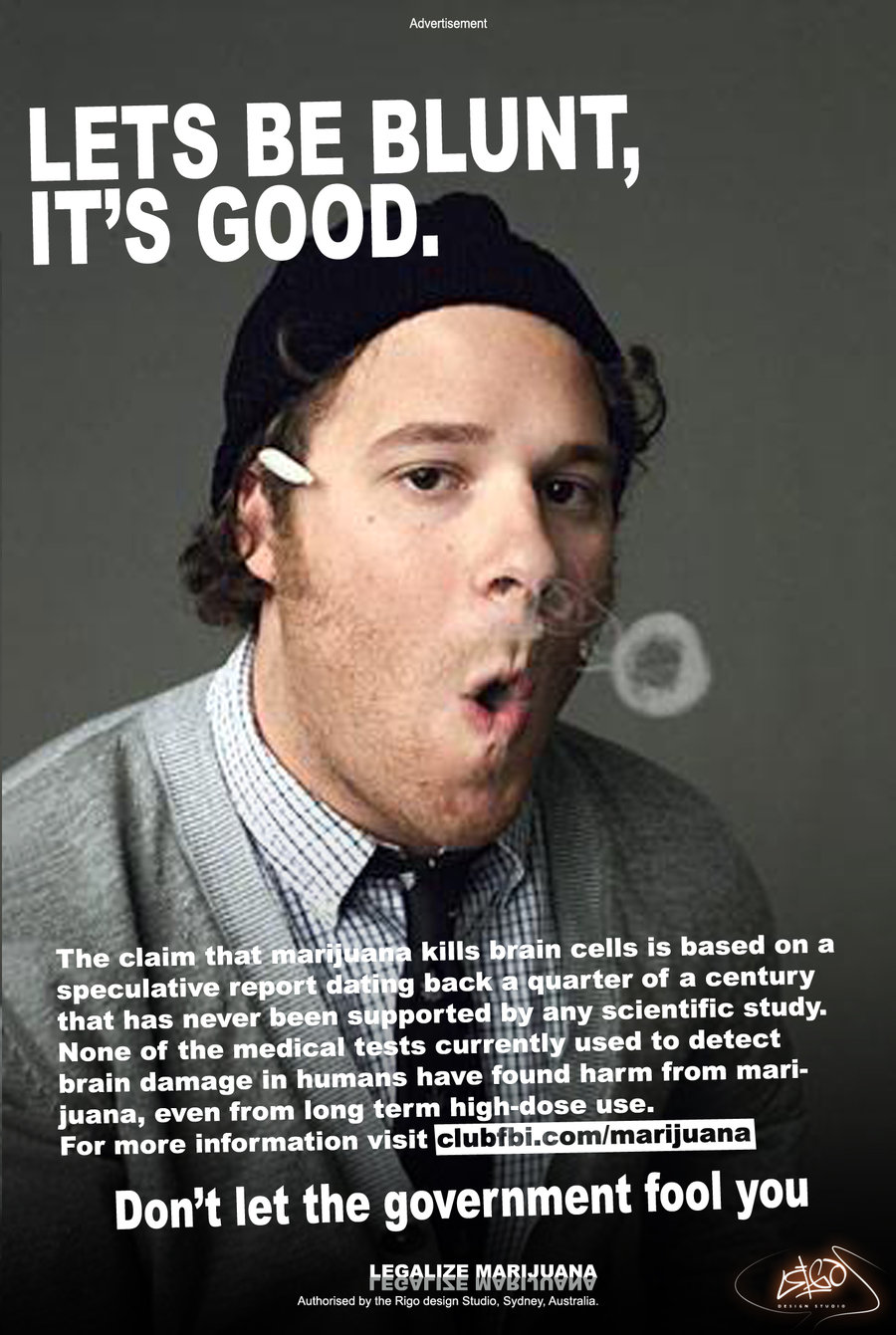
There was a light-hearted side to the conference, with a few exhibitors wearing fake pot plant necklaces and green wigs. The reusable Lift Expo convention bag handed out to attendees had a quote on it from Canadian actor and pot enthusiast Seth Rogan: “Let’s Be Blunt — It’s Good.”
The convention ends Sunday at 6 p.m. Tickets are $20 online and at the door.
Pot convention buzzing over Toronto raids
sabato 14 maggio 2016
martedì 8 marzo 2016
Burn One for Bernie? Portland Marijuana Shop Donates Sales To Sanders’ Campaign

“The cannabis community has never been appropriately represented or considered on a federal stage. Cannabis enthusiasts, supporters and medical patients come from every walk of life now, and we all deserve a president who will rally to reschedule cannabis and transform America’s Cannabis policies,” Foster Bud wrote on Instagram. “We believe Bernie Sanders is the best and most likely candidate to appropriately represent the needs of our community.”
In addition to the donation, Foster Buds is also giving away “Burn One for Bernie” T-shirts.
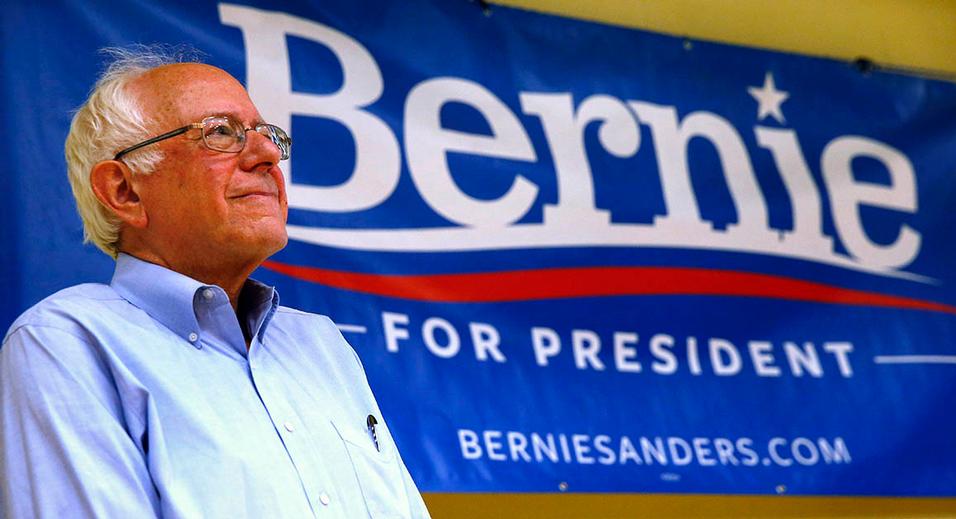 KGW reported store manager Ken Martin says he sees no reason not to support Sanders. “Everything he’s looking to do is for the betterment of us. He’s looking to keep the medical community, he sees the advancements — so why not support him?” Martin asked.
 Sanders supports medical marijuana and the decriminalization of recreational marijuana, as well as the right of states to opt for full legalization, his campaign website says. He has come out in favor of ending the federal prohibition on marijuana, and co-sponsored the Marijuana Businesses Access to Banking Act of 2015 to ensure access to banking services for legitimate marijuana businesses. However, Sanders said last year he is not a fan of marijuana himself.
sabato 20 febbraio 2016
lunedì 15 febbraio 2016
martedì 12 gennaio 2016
Droghe, l’Onu è ancora in mezzo al guado
Articolo di Marco Perduca * 23 dicembre 2015 18:28
 Dall’otto all’undici dicembre s’è tenuta nella sede dell’Onu di Vienna l’ultima sessione della Cnd (Commission on Narcotic Drugs) del 2015 dedicata alla preparazione della sessione speciale dell’Assemblea generale (Ungass 2016), che dal 19 al 21 aprile prossimi si terrà a New York per affrontare il tema del controllo mondiale delle droghe. Il fronte conservatore del modello proibizionista comprende i paesi che fanno parte della Conferenza islamica, gli stati asiatici e la Russia: questi ritengono che Ungass 2016 debba semplicemente ratificare i documenti in fase di definizione a Vienna che, sostanzialmente, riaffermano gli obiettivi tradizionali presenti nella dichiarazione politica del 2009: la riduzione, fino all’eliminazione, dell’offerta e della domanda di droga attraverso la repressione penale e la lotta al narcotraffico.
Il fronte aperturista, che raccoglie la stragrande maggioranza dei paesi latino-americani e, in teoria, gli europei, vuole invece che il dibattito di New York sia vero, aperto, e che includa punti di vista e riflessioni anche di altre agenzie dell’Onu: in questa luce, i documenti finali dovrebbero essere messi a punto all’Assemblea per riflettere le conclusioni del dibattito al Palazzo di Vetro. E’ previsto che il dibattito affronti cinque temi chiave, dai diritti umani, agli aspetti socio-sanitari, allo sviluppo alternativo nei paesi produttori.
La Cnd ha una presidenza che varia ogni dodici mesi, dopo la Tailandia toccherà alla Repubblica Ceca, e le sessioni dedicate alla definizione dell’agenda dell’Ungass sono state affidate a una giunta coordinata dall’ambasciatore egiziano, che non sempre aiuta l’emergere di compromessi al rialzo. Comunque sia siamo anni luce avanti rispetto all’Ungass del 1998.

Dall’Oms, all’Undp ( programma Onu per lo sviluppo), da Unaids all’Alto Commissario per i diritti umani, passando per tutti gli speciali Rapporteur, si sono consolidate posizioni che pongono al centro il rispetto dei diritti umani e le ripercussioni negative dell’aver affidato al diritto penale il governo del fenomeno della circolazione e del consumo delle sostanze contenute nelle tre Convenzioni. Rispetto al passato, si arriva a riconoscere un “margine di manovra” interpretativo delle tre Convenzioni sulle droghe: la Convenzione del 1961 afferma infatti che “il possesso personale può esser considerato come reato” e non “deve” e che comunque ciò verrà stabilito dal singolo stato sulla base della propria Costituzione, delle caratteristiche del sistema penale nazionale, rispettando i principi basilari secondo cui non può esserci reato senza vittima e la pena deve essere proporzionale alla gravità del reato.
Se all’Unodc, l’ufficio per le droghe e il crimine, esiste un dibattito in merito alle priorità e agli approcci da perseguire, lo Incb, l’organismo di controllo sull’applicazione delle Convenzioni, resta sostanzialmente ancorato a posizioni di retroguardia, da depositario unico dell’interpretazione autentica delle Convenzioni che non riconosce alcun approccio alternativo a quello proibizionista. Da notare che il sistema creato con le Convenzioni del 1961, 1971 e 1988 non prevede un regime sanzionatorio in caso lo Incb ritenga che non siano rispettati gli obblighi assunti al momento della ratifica.

A gennaio e febbraio prossimi ci saranno ulteriori incontri informali per la definizione dell’agenda. La prossima riunione della Cnd si terrà dal 14 al 22 marzo e solo allora si capirà se il Palazzo di Vetro sarà solo un palcoscenico per interventi rituali dei governi o se si potrà davvero discutere nel merito: per prefigurare un futuro in discontinuità piuttosto che riaffermare le fallimentari ricette del passato.
Tutta la documentazione su Ungass on line sul sito ungass.fuoriluogo.it
* rappresentante all'Onu per il Partito Radicale Transnazionale
(intervento pubblicato sul quotidiano il manifesto del 23/12/2015)
Droghe, l’Onu è ancora in mezzo al guado
 Dall’otto all’undici dicembre s’è tenuta nella sede dell’Onu di Vienna l’ultima sessione della Cnd (Commission on Narcotic Drugs) del 2015 dedicata alla preparazione della sessione speciale dell’Assemblea generale (Ungass 2016), che dal 19 al 21 aprile prossimi si terrà a New York per affrontare il tema del controllo mondiale delle droghe. Il fronte conservatore del modello proibizionista comprende i paesi che fanno parte della Conferenza islamica, gli stati asiatici e la Russia: questi ritengono che Ungass 2016 debba semplicemente ratificare i documenti in fase di definizione a Vienna che, sostanzialmente, riaffermano gli obiettivi tradizionali presenti nella dichiarazione politica del 2009: la riduzione, fino all’eliminazione, dell’offerta e della domanda di droga attraverso la repressione penale e la lotta al narcotraffico.
Il fronte aperturista, che raccoglie la stragrande maggioranza dei paesi latino-americani e, in teoria, gli europei, vuole invece che il dibattito di New York sia vero, aperto, e che includa punti di vista e riflessioni anche di altre agenzie dell’Onu: in questa luce, i documenti finali dovrebbero essere messi a punto all’Assemblea per riflettere le conclusioni del dibattito al Palazzo di Vetro. E’ previsto che il dibattito affronti cinque temi chiave, dai diritti umani, agli aspetti socio-sanitari, allo sviluppo alternativo nei paesi produttori.
La Cnd ha una presidenza che varia ogni dodici mesi, dopo la Tailandia toccherà alla Repubblica Ceca, e le sessioni dedicate alla definizione dell’agenda dell’Ungass sono state affidate a una giunta coordinata dall’ambasciatore egiziano, che non sempre aiuta l’emergere di compromessi al rialzo. Comunque sia siamo anni luce avanti rispetto all’Ungass del 1998.

Dall’Oms, all’Undp ( programma Onu per lo sviluppo), da Unaids all’Alto Commissario per i diritti umani, passando per tutti gli speciali Rapporteur, si sono consolidate posizioni che pongono al centro il rispetto dei diritti umani e le ripercussioni negative dell’aver affidato al diritto penale il governo del fenomeno della circolazione e del consumo delle sostanze contenute nelle tre Convenzioni. Rispetto al passato, si arriva a riconoscere un “margine di manovra” interpretativo delle tre Convenzioni sulle droghe: la Convenzione del 1961 afferma infatti che “il possesso personale può esser considerato come reato” e non “deve” e che comunque ciò verrà stabilito dal singolo stato sulla base della propria Costituzione, delle caratteristiche del sistema penale nazionale, rispettando i principi basilari secondo cui non può esserci reato senza vittima e la pena deve essere proporzionale alla gravità del reato.
Se all’Unodc, l’ufficio per le droghe e il crimine, esiste un dibattito in merito alle priorità e agli approcci da perseguire, lo Incb, l’organismo di controllo sull’applicazione delle Convenzioni, resta sostanzialmente ancorato a posizioni di retroguardia, da depositario unico dell’interpretazione autentica delle Convenzioni che non riconosce alcun approccio alternativo a quello proibizionista. Da notare che il sistema creato con le Convenzioni del 1961, 1971 e 1988 non prevede un regime sanzionatorio in caso lo Incb ritenga che non siano rispettati gli obblighi assunti al momento della ratifica.
A gennaio e febbraio prossimi ci saranno ulteriori incontri informali per la definizione dell’agenda. La prossima riunione della Cnd si terrà dal 14 al 22 marzo e solo allora si capirà se il Palazzo di Vetro sarà solo un palcoscenico per interventi rituali dei governi o se si potrà davvero discutere nel merito: per prefigurare un futuro in discontinuità piuttosto che riaffermare le fallimentari ricette del passato.
Tutta la documentazione su Ungass on line sul sito ungass.fuoriluogo.it
* rappresentante all'Onu per il Partito Radicale Transnazionale
(intervento pubblicato sul quotidiano il manifesto del 23/12/2015)
Droghe, l’Onu è ancora in mezzo al guado
domenica 3 gennaio 2016
Marijuana Legalization 2016: Which States Will Consider Cannabis This Year?

BY JACKIE SALO 12/30/15 AT 8:35 PM
As pot legalization gains momentum across the country, more states are looking to let either lawmakers or voters decide on cannabis on the 2016 ballot. Four states and Washington, D.C., have passed legislation to permit recreational marijuana entirely, and others are gearing up to consider whether to follow their lead in the new year. At least 10 states are expected to consider whether to legalize marijuana for some degree of use.
Here are the battlegrounds that lie ahead in the movement to legalize cannabis.
Arizona -- A campaign being led by the Marijuana Policy Project of Arizona would legalize the possession and consumption of marijuana for adults 21 and older, and allow them to grow up to six plants in their homes. The initiative needs over 150,000 signatures by July 7 to place the question on the 2016 ballot.
California -- Legalization advocates filed the state's ninth recreational marijuana legalization initiative, the Adult Use of Marijuana Act, but need to collect 365,880 signatures before the state's Feb. 4 deadline to appear on the 2016 ballot.

Maine -- Some parts of the state have already legalized marijuana for medical use, but a new bill looks to legalize cannabis entirely. The Maine Marijuana Legalization Initiative would allow adults 21 and older to possess up to 2.5 ounces of marijuana, including concentrated forms of the drug.
Massachusetts -- The state may completely decriminalize marijuana in 2016 with a bill that, if passed, would enable cannabis to be regulated like alcohol. Advocates have also proposed similar laws with the Massachusetts Marijuana Legalization Initiative, which may appear on the 2016 ballot. Cannabis is legal in the state only for medicinal use.

The cannabis reform committee will need signatures from 250,000 registered voters to earn it a spot on the November 2016 ballot. "We intend to save the state and local government about $300 million a year they spend on cannabis prohibition," said Jeffrey Hank, chairman of the Michigan Comprehensive Cannabis Law Reform. "And raise an additional $100 to $200 million in additional revenue and create [as many as] 25,000 jobs."
Missouri -- One group, New Approach Missouri, has filed a petition with the secretary of state's office to legalize cannabis for medical purposes. To get on the ballot, around 160,000 signatures from registered voters will be needed.

Rhode Island -- A bill to legalize marijuana, introduced last January, will likely be considered in 2016. The Marijuana Regulation, Control and Taxation Act would legalize pot entirely. "Regulating marijuana will take sales out of the underground market and allow authorities to keep tabs on the product," state Rep. Scott Slater, a Democrat who sponsored the bill, told the Huffington Post.
The Vermont Cannabis Collaborative supports the bill and published a report last month touting the economic benefits of the drug. "Vermont has a unique opportunity to define what this industry looks like," reads the report. "What if our cannabis economy became known for the same values that make Vermont unique: collaboration, innovation, community, creativity, environmental stewardship, healthy lifestyles and artisanal goods?"
Marijuana Legalization 2016: Which States Will Consider Cannabis This Year?
sabato 2 gennaio 2016
sabato 19 dicembre 2015
Prediction: 2016 Will Be the Greenest Year in History Cannabis Entrepreneur Nicole Smith Talks About the Industry

Posted: 12/17/2015 4:00 pm EST Updated: 12/17/2015 4:00 pm EST
Tis the Season -- for reflection and prediction. Tune in any TV network and you'll see experts prognosticating on the global state of affairs while other segments reflect on the year that was. The cannabis industry is no different.
One of the industry's primary movers-and-shakers is Nicole Smith, founder and CEO of Mary's Medicinals, the Denver-based company that manufactures transdermal cannabis patches along with other unique cannabis nutraceutical products. In fact, Mary's Medicinals has won the Cannabis Business Award for "Most Innovative Product" for two years in a row and Smith was recently named a Denver Business Journal Outstanding Woman in Business for 2015.
This author recently asked Smith to reflect on the year that was and offer some predictions for the future.
Nicole, there is always talk about "Big Business" at the door of the cannabis industry. What's your take?
Nicole Smith: Everyone abhors the possibility of 'Monsanto Marijuana,' but major corporations and investment firms will inevitably find ways to get into the industry. For better or for worse, the industry is going to mature very quickly. The success of larger existing cannabis companies will power the next wave of research and development, distribution and marketing but there are investors clamoring to "get on board." With this wave of investment, we'll see both the entry of new players and the consolidation of the existing market as larger organizations continue to buy up smaller firms. It's a free country with a free market but, as with any product, an educated consumer is key. The cannabis consumer is very sophisticated, for the most part, and this will, I think, help avoid the "Monsanto Marijuana."

Does that include The Edibles Market, which has taken quite a hit in the press in 2015?
Nicole Smith: I think the edibles market will "grow up" in 2016. Overdosing on edibles has been too easy. A slew of new regulations and safety guidelines will definitely have an impact on this previously rapid-growth sector. In Denver, manufacturers are facing new proposed requirements that may include marking individual items with a THC symbol. Branding changes and required investment in new technology will drive out many smaller manufacturers as regulations continue to stack up.
Consumers should expect a reduction in gummy bears and other candies that are perceived as appealing to children. Meanwhile, artisanal chefs and brewers have begun to explore the potential of cannabis as an intriguing ingredient in high-end craft brews and gourmet meals. There will also be new oral preparations of cannabis available, like our new high-bioavailability capsules. These emerging areas are geared to the 'adult-oriented' cannabis market and will see significant growth in 2016.

What is your perception of the socio-economic impact in the legal cannabis states?
Nicole Smith: Without question the growing legal cannabis industry has begun to have a major impact on the bottom-line in communities where it has been allowed to prosper. There are estimates of nearly $3 billion in sales in 2015! Unemployment is down. Schools, drug treatment programs and other municipal services have been positively impacted -- and citizens are taking note. Multiple reports show that in Colorado, teen drug use and crime are both down. Beyond all of the jobs both in cannabis and ancillary industries, cannabis companies have contributed millions of dollars to educational, research, patient and community support programs. If you drive down Interstate 25 in Denver, don't be surprised when you see a sign proclaiming 'Litter Removal Sponsored by Metro Cannabis.'
As the cannabis industry becomes increasingly important to local economies, and influential in government, we will begin to see incremental banking and tax reform -- especially on the federal level. Smaller local banks will begin to find ways to participate in and benefit from the cannabis economy. And those of us in the industry will eventually be able to bank like everyone else (laughs).

There are three levels of cannabis control -- state, federal and international. What do you foresee in those areas?
Nicole Smith: There are nearly a dozen states (California, Arizona, Nevada, Michigan, Florida, Massachusetts, Maine, Hawaii, Missouri, Ohio, and Montana) that are in various stages of trying to get ballot initiatives for general legalization in 2016. It is too early to know which states will actually get something on the ballot, but we know several will. Vermont may be the first state to legalize recreational use through a legislative process.
At the federal level, the prospect of someone new entering the White House presents quite a bit of uncertainty. Some conservative presidential candidates have threatened to vigorously enforce federal marijuana laws, while Bernie Sanders promises to end the drug war completely. Without trying to predict the outcome of the election, let's just say there are many possibilities, but a reversal of state legalization is very unlikely.
Internationally things are also very exciting but complex. With a new Prime Minister (Justin Trudeau), Canada is poised to be the first G7 nation to legalize cannabis, and many other nations are exploring the possibility of following suit. Rumors continue to swirl about a report from the United Nations Office on Drugs and Crime that will call on governments around the world to decriminalize drug use and possession for personal consumption. Whether or not that will happen in 2016, legalization will continue to draw headlines throughout the year.
And do you think that general legalization will hurt the medical use of cannabis?
Nicole Smith: It certainly could. Growing pains are inevitable. In Washington, the highly regulated recreational market has all but shuttered the previously vast medical dispensary system. In Colorado, a duel system has emerged, but many feel that an evolution of the '2 Door' system is needed. To keep up, many products are sold both medically and recreationally so that they are available to users with or without a prescription. However, the retail side is more heavily taxed, and can cost 40-60% more. As more states legalize, there is going to be a difficult discussion about how we open up adult use while making sure we take care of the patients that need these products as medicine.
It is not a simple issue. Can we separate medical and recreational use? If so, where do we draw the line between medical and recreational use? Treating a child's epilepsy is, of course, purely medical. But we see many customers using our 'Medical' products for many conditions that wouldn't qualify as 'debilitating,' even something as simple as a hangover or menstrual cramps. But these are also not 'recreational' users trying to get stoned. Is an athlete entitled to use cannabis as sports medicine? What about someone trying to treat stress or anxiety? Do they deserve the same access to non-toxic/non-pharmaceutical relief as someone with a 'qualifying' condition? The only answer, in my opinion, is to provide unrestricted access to everything for everyone -- just like any over the counter drug. Hopefully we'll see a move in that direction in 2016.
venerdì 11 dicembre 2015
Consumatori di tutto il mondo, uniamoci!

Oltre a dibattere e trovare una condivisione per una strategia di azione univoca in vista dell’assemblea dell’ONU 2016 sulla politica verso gli stupefacenti, la nostra associazione, presente all’incontro insieme ai rappresentanti di Canapa Info Point e di Over Grow, ha voluto sensibilizzare i partecipanti sulla necessità di risvegliare le coscienze dei consumatori e coltivatori in proprio, da troppo tempo investite da un torpore generato dalla discriminazione e dalla diffidenza dell’opinione pubblica. Abbiamo quindi presentato un Manifesto dei Consumatori e Coltivatori in Proprio, attraverso il quale, formulando una base politica e filosofica, vorremmo stimolare gli estimatori della canapa a rivendicare il libero arbitrio sul proprio stile di vita e difendere la propria dignità.
Crediamo che in questo momento di cambiamento delle politiche internazionali e degli sviluppi in corso nella nostra nazione, il denigrato popolo di consumatori debba iniziare ad organizzarsi aderendo alle forme associative già operanti nei relativi Paesi.
 Invitiamo quindi i lettori di Dolce Vita ad aderire all’associazione Canapa Info Point, costituita proprio allo scopo di aggregare il più alto numero di consumatori responsabili e consapevoli, per ottenere credito verso le Istituzioni e creare i primi “nuclei” organizzati. Per informazioni: info@canapainfopoint.it.
MANIFESTO EUROPEO DEI COLTIVATORI E CONSUMATORI IN PROPRIO
La battaglia che viene condotta in molti Paesi per la legalizzazione della canapa, non è una lotta marginale e andando a toccare ed interferire con forti interessi economici e difendendo il diritto alle libere scelte, va a fondersi con tutte quelle battaglie che vengono combattute in difesa dell’ambiente, del diritto alla salute e delle libertà individuali.
Rivendichiamo quindi:
– Il riconoscimento come cittadini con pari dignità dei non consumatori.
– Il riconoscimento delle motivazioni del suo uso: terapeutico, alimentare, spirituale e ricreazionale.
– Il diritto all’autoproduzione per uso privato.
– Il diritto ad una libera e corretta informazione sugli usi e benefici della canapa.

In molte nazioni europee è ancora inspiegabilmente perseguitato chi coltiva anche un numero esiguo di piante, se non addirittura perseguitato in quanto consumatore, con questo Manifesto lanciamo un appello a tutti i consumatori o coltivatori in proprio ad organizzarsi a livello nazionale e contribuire nelle realtà associative per ottenere, nel più breve tempo possibile, il rispetto che la canapa e i suoi estimatori rivendicano in nome del nostro pianeta, della libertà e della dignità.
Consumatori di tutto il mondo, uniamoci!
giovedì 8 ottobre 2015
Lettera UNGASS per Presidente del Consiglio

dipendenza, vogliamo avviare un confronto in merito alla prossima Assemblea Generale delle
Nazioni Unite sulle Droghe (Ungass), che si terrà a New York nell’aprile 2016.
Innanzitutto, ci preme sottolineare la straordinarietà di questo evento. La scadenza naturale per la
convocazione dell’Assemblea Generale speciale sulle droghe era originariamente il 2019. Come si
ricorderà, Ungass è stata anticipata di tre anni dietro la spinta di alcuni paesi: in particolare
Messico, Guatemala e Colombia, che, sulla base della drammatica situazione vissuta dai loro paesi,
hanno chiesto esplicitamente un dibattito a tutto campo, per valutare con serietà le scelte politiche
in materia di droga fatte a suo tempo ed esaminare tutte le possibili alternative. Questa linea è
peraltro stata condivisa dal segretario generale Onu, Ban Ki Moon, quando ha sollecitato un full and
honest debate.
Per questa ragione, chiediamo che Ungass 2016 non si risolva con una dichiarazione finale che
riaffermi l’obiettivo di “eliminare o significativamente ridurre l’offerta e la domanda di droga entro
dieci anni”, in continuità con la dichiarazione dell’Assemblea Generale del 1998 (poi riconfermata
e spostata avanti di altri dieci anni nel 2009). Non solo per il carattere irrealistico e retorico di tale
obiettivo, ma anche perché l’esperienza di Ungass 1998 insegna che l’enfasi sulla “eliminazione” e
sullo “sradicamento” della droga ha spinto a strategie aggressive di sradicamento delle coltivazioni
 illegali nei paesi produttori, con conseguenze nefaste per i territori e le popolazioni più povere. Lo
stesso approccio, nei paesi cosiddetti consumatori, ha portato a concentrare la maggior parte delle
risorse sulla risposta penale, a scapito delle risposte sociosanitarie.
Peraltro, sollecitano a un confronto a tutto campo anche i cambiamenti che stanno avvenendo in
diverse parti del mondo: lo sviluppo di nuove strategie sociosanitarie di riduzione del danno, le
innovazioni legislative di decriminalizzazione dell’uso personale di droga, le sperimentazioni di
regolamentazione legale della cannabis in Uruguay e alcuni stati Usa, la legalizzazione della foglia
di coca in Bolivia. E’ necessario che queste innovazioni siano discusse nella sede di Ungass 2016,
con un occhio alla cornice dei trattati internazionali. Se Ungass 2016 fallisse questo compito, ciò si
tradurrebbe in una perdita di autorevolezza delle istituzioni internazionali. Avanziamo perciò una
proposta precisa: l’Italia sostenga la creazione di un gruppo consultivo di esperti (expert advisory
group), con il compito di esaminare le questioni più scottanti e di stilare raccomandazioni in merito.
Il gruppo consultivo dovrebbe concentrarsi sul rapporto fra i mutamenti in atto e il meccanismo dei
trattati; sull’interscambio fra le diverse agenzie Onu che a vario titolo sono coinvolte nella
questione droga; sul corretto funzionamento del sistema di classificazione delle droghe. Un gruppo
consultivo di questo genere ha dei precedenti, l’ultimo dei quali proprio in occasione di Ungass
1998.
Pensiamo che l’Italia possa contribuire significativamente al confronto in sede internazionale,
specie guardando all’innovazione legislativa del 2014, quando la Corte Costituzionale ha abrogato
gran parte della legge antidroga del 2006. In particolare, sono state abolite le norme che avevano
portato a un considerevole inasprimento delle pene per i reati di cannabis, ed è stato ripristinato il
testo della legge del 1990, con la depenalizzazione del consumo personale per tutte le droghe così
come stabilita dal referendum popolare del 1993. A partire da un’attenta valutazione di esperienze
così diverse, l’Italia può dunque portare una riflessione sull’impatto di diversi orientamenti penali
 in tema di droga sui sistemi della giustizia e del carcere. Anche su altri temi chiave, come il
rapporto fra Droghe e salute e Droghe e Diritti Umani, l’Italia può avere un ruolo, riprendendo una
tradizione democratica, umanitaria, di solidarietà sociale: pronunciandosi per un riequilibrio delle
politiche a favore del versante sociosanitario, con particolare attenzione alla riduzione del danno; e
battendosi per l’eliminazione di tutte le pratiche contrarie alla dignità umana e per l’abolizione della
pena di morte per i reati di droga.
Infine un’ultima raccomandazione, ma di fondamentale importanza: in un dibattito onesto ed
esauriente non può mancare la voce della società civile. Chiediamo perciò che, a partire dalla
Conferenza nazionale finalmente in preparazione, siano coinvolte appieno le Ong, i consumatori di
droga, gli utenti dei servizi per le dipendenze. Peraltro la partecipazione di questi soggetti
all’elaborazione delle politiche nazionali e internazionali è richiesta dalla stessa Strategia sulle
droghe dell’Unione Europea 2013-2020, che l’Italia ha sottoscritta. Allo stesso tempo, sollecitiamo
anche il coinvolgimento di tutte le agenzie Onu che insistono sul problema droga, dalla Oms,
all’Unaids, allo Undp, oltre alla Unodc.
Abbiamo scelto questo momento per precisare le nostre richieste al governo e alle istituzioni
italiane perché questo mese di settembre rappresenta una tappa importante nella scelta degli
orientamenti di Ungass 2016. E’ comunque nostra intenzione continuare l’opera di advocacy per
tutta la fase di preparazione dell’evento.
Maria Stagnitta, Presidente di Forum Droghe
Grazia Zuffa, Forum Droghe
Stefano Anastasia, Presidente de La Società della Ragione
Stefano Cecconi, Cgil nazionale
Maurizio Coletti, Presidente Itaca Italia
Riccardo De Facci, Vice Presidente del Cnca (Coordinamento Nazionale Comunità di Accoglienza)
Patrizio Gonnella, Presidente di Antigone
Leopoldo Grosso, Portavoce del “Cartello di Genova” e Presidente onorario del Gruppo Abele
Pino di Pino, Itardd (Rete Italiana Riduzione del Danno)
Alessandro Metz, Legacoop sociali
Massimo Oldrini, Presidente Lila (Lega Italiana per la Lotta contro l’Aids)
Marco Perduca, Membro di Giunta dell’Associazione Luca Coscioni
Fabio Scaltritti, Presidente Associazione Comunità San Benedetto al porto
Forum Droghe: Lettera UNGASS per Presidente del Consiglio
lunedì 31 agosto 2015
Poll: Fighting Marijuana Legalization Is Bad Politics
By Kristen Gwynne August 26, 2015
A new Public Policy Polling survey from early primary states Iowa and New Hampshire has found that a solid majority of Republican respondents approve of states' rights to carry out marijuana policy reform without the feds cracking down. The survey, commissioned by the Marijuana Majority, found that 64 and 67 percent of Republican respondents in Iowa and New Hampshire, respectively, agree that "states should be able to carry out their own marijuana laws without federal interference."
Read more: http://www.rollingstone.com/politics/news/poll-fighting-marijuana-legalization-is-bad-politics-20150826#ixzz3kQZ3jXDL
lunedì 31 dicembre 2012
Marijuana Legalization Campaign Looks To Expand After 2012 Victories

By Alex Dobuzinskis
LOS ANGELES, Dec 30 (Reuters) - After a decades-long campaign to legalize marijuana hit a high mark in 2012 with victories in Washington state and Colorado, its energized and deep-pocketed backers are mapping out a strategy for the next round of ballot-box battles.
They have their sights set on possible ballot measures in 2014 or 2016 in states such as California and Oregon, which were among the first in the country to allow marijuana for medical use. Although those states more recently rejected broader legalization, drug-law reform groups remain undeterred.
"Legalization is more or less repeating the history of medical marijuana," said Ethan Nadelmann, executive director of the Drug Policy Alliance. "If you want to know which states are most likely to legalize marijuana, then look at the states that were the first to legalize medical marijuana."
A political arm of the alliance spent more than $1.6 million as one of the main funders of the Washington state campaign.
The passage of the ballot measures in Colorado and Washington state in November allowed personal possession of the drug for people 21 and older. That same age group will be allowed to buy the drug at special marijuana stores under rules set to be finalized next year.
No other states have legalized marijuana, America's most widely used illicit drug, for recreational use. The drug remains illegal under federal law. Connecticut and Massachusetts also approved medical marijuana in 2012.
A big question mark hangs over whether the pro-legalization momentum could be slowed if the federal government takes an aggressive stance against the new laws.
The U.S. Department of Justice has been mostly silent on the issue. President Barack Obama said in a TV interview this month it did not make sense for the federal government to "focus on recreational drug users in a state that has already said that, under state law, that's legal."
CHANGING TIDE?
In 1996, California became the first state to allow medical marijuana by a popular vote, and Oregon and Washington state were among the second wave in 1998. But Oregon rejected a marijuana legalization ballot measure in November, while California voters did the same in 1972 and 2010.
 The 2010 ballot measure in California failed to sway voters because it would have left regulation to a hodgepodge of local governments, instead of a uniform set of state rules, said Dale Gieringer, director of the California branch of the National Organization for the Reform of Marijuana Laws.
This month, California Lieutenant Governor Gavin Newsom became one of America's top state officials to call for reform of marijuana laws when he told the New York Times that laws against the drug "just don't make sense anymore."
Activists say they see demographic changes as giving them an advantage.
"We know that the younger generation is more supportive and the opposition really comes from the older generation. And as time goes on there's more of the younger generation and less of the older generation," Gieringer said.
"The second factor is we have these results in Colorado and Washington under our belt, so that sort of fertilizes the ground," he added.
One key point marijuana advocates are thrashing out is whether to pursue any ballot initiative in 2014, or wait until the presidential election of 2016, when the turnout of their reliable base of youth voters will likely be higher.
Regardless of when a ballot initiative might come to California, the nation's most populous state, groups opposing legalization vow to defeat it.
One of those is the California Police Chiefs Association.
"I have yet to hear a legalization proponent talk about how society will be enhanced, how the real social problems facing our country will be improved by legalizing yet another substance that compromises people's five senses," said John Lovell, government relations manager for the group.
A number of addiction specialists say that where marijuana is legalized, teenagers will come to believe the drug is harmless and more will use it.
Medical marijuana is already big business in California. The state Board of Equalization in its most recent analysis from 2009 estimated medical cannabis dispensaries ring up sales of $1.3 billion a year, and pay sales taxes of $105 million. (Reporting By Alex Dobuzinskis; Editing by Colleen Jenkins, Edith Honan and David Brunnstrom)
Iscriviti a:
Post (Atom)