La nuova leadership dei latino americani: la guerra alla droga è finita
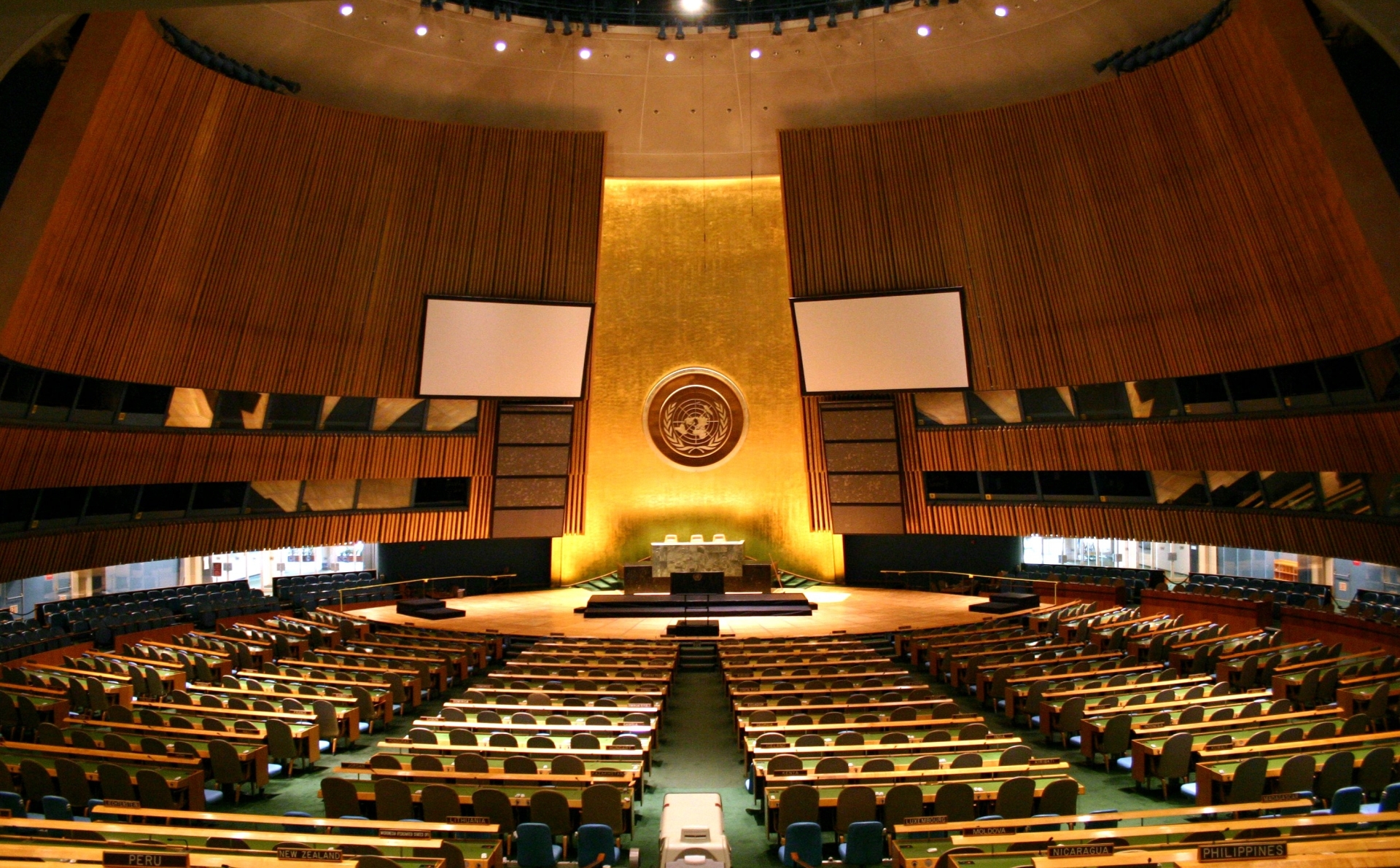
Corrispondenza da New York – L’unanimismo proibizionista è davvero finito, e l’antiproibizionismo non è più un’eresia: questa è la prima impressione ascoltando il dibattito alle Nazioni Unite. Finita la votazione del documento finale, che riconferma la cornice delle Convenzioni, UNGASS sembrava già finita. E invece i paesi latino- americani hanno preso la parola, riaprendo la discussione a tutto campo. Il Guatemala ha ribadito che il cambiamento è inevitabile: “Con UNGASS 2016 siamo solo all’inizio del percorso- ha concluso il rappresentante”. Più incisivo il Messico:“La guerra alla droga non ha funzionato: il narcotraffico è fiorente e produce morte e violenza. La mia nazione ha pagato, e continua a pagare, un prezzo eccessivo per assecondare il paradigma proibizionista”.
Il nuovo paradigma in campo mette in discussione alla radice l’obiettivo principe del controllo internazionale della droga: “Il problema principale non è di eliminare le droghe, ma di tutelare la salute”- esplicita il rappresentante messicano.
E’ toccato a Milton Romani, segretario della Giunta nazionale uruguayana sulla droga, proprio nella tavola rotonda dedicata alla riduzione dell’offerta di droga e alla criminalità organizzata, il compito di rompere il tabù sulla regolamentazione dei mercati. Il controllo delle droghe deve rientrare nell’ambito degli obiettivi più vasti dello sviluppo sociale e economico: i mercati illegali delle droghe, con la violenza e la corruzione che si portano dietro, costituiscono una minaccia allo sviluppo e non si possono combattere solo con l’arma della repressione. “La regolazione del mercato della cannabis è uno strumento per assicurare uno sviluppo sostenibile”- dice Romani.
Mi torna in mente la prima volta che ho partecipato a un meeting altrettanto importante, il segmento ad alto livello della Commission on Narcotic Drugs a Vienna, nel 2009. Allora fu il leader della Bolivia, Evo Morales, a denunciare l’iniquità della guerra alla droga: una voce coraggiosa di rottura, ma del tutto isolata nel clima di ortodossia proibizionista. A distanza di sette anni, chi parla di fallimento della guerra alla droga – e non sono pochi- non è più un outsider, anzi: si sta formando un nucleo di paesi riformatori che costringono anche chi non è d’accordo a confrontarsi con loro.
Pena di morte, pietra dello scandalo di UNGASS 2016
Corrispondenza da New York – Non è certo il meeting di rottura col passato che le ONG si aspettavano e neppure l’occasione per un ripensamento profondo delle politiche antidroga che Messico, Colombia e Guatemala auspicavano. A conferma di ciò, l’Assemblea ha approvato la mediocre risoluzione finale addirittura prima di cominciare il dibattito generale. Nonostante questo paradosso, anzi forse proprio in forza di questo, le differenze di visione politica sono emerse assai chiaramente. Molti paesi hanno espresso senza mezzi termini il loro disappunto perché l’obiettivo del superamento della pena di morte per i reati di droga non è entrato nella risoluzione finale. E il rappresentante dell’Unione Europea ha argomentato come la pena di morte per reati di droga contraddica la Convenzione Internazionale sui diritti civili e politici. La pena di morte è la pietra dello scandalo, che svela come il controllo globale sulla droga non sia in linea con la missione generale delle Nazioni Unite, di protezione dei diritti umani.

Statement by the Italian Minister of Justice and Head of Delegation, Hon. Andrea Orlando, at the Plenary Session of the UN General Assembly on the World Drug Problem (UNGASS 2016)
Thank you Mr. President, Excellences, Ladies and Gentlemen,
While aligning ourselves with the statement by the European Union, we would also like to make a few remarks in a national capacity.
Addressing the world drug problem is one of the great global challenges of our times. Since the entry into force of the drug conventions and the adoption of the Political Declaration in 2009, we have gained experience and new challenges have emerged. We thus need to adjust our domestic and international policies, strengthening projects that have proved to be effective and modifying those that have not, also in light of the Sustainable Development Goals.
This UNGASS is a unique opportunity to raise awareness of the ultimate goal of the drug conventions: the health and welfare of mankind. We should make the best use of the Conventions’ flexibility so as to implement them in a more balanced, humane and effective way, assuring that our drug policies fully respect human rights and are truly health-oriented.
The international community must fully recognize drug use as a health issue and drug addiction as a chronic and treatable multifactorial health disorder that should be treated, not punished. Our approach should be pragmatic rather than ideological: a result-oriented approach that encourages States to promote public policies motivated by the criterion of effectiveness rather than demagoguery.
The human person must be the center of domestic drug policies. We must guarantee access to the full range of measures, including prevention, treatment, risk and harm reduction, rehabilitation, recovery and social reintegration, with special attention to women, youth, vulnerable groups and underserved populations, also in prison settings.
Prevention is a key investment for society as a whole, and families and schools play a crucial role in this regard. HIV/AIDS is still a huge problem among people who use and inject drugs: risk and harm reduction approaches have proved to be effective.
About three-quarters of the global population does not have access to proper pain relief treatment: this is one of the main shortcomings of the international drug control system, and it needs to be urgently addressed.
We must make sure that domestic criminal justice systems fully reflect the principle of proportionality enshrined in the Conventions. Italian law provides a list of alternatives to detention for minor cases and assures access to health care services, also in prison. Italy decriminalized the use of drugs for personal consumption many years ago. In January 2016 we also decriminalized some violations related to the growing of cannabis for medical purposes.
We are engaged in countering drug trafficking and its many links to other serious crimes, including corruption and terrorism. We encourage all Member States to further promote use of the tools provided for by the 1988 Convention and by the Palermo Convention against Transnational Organized Crime and its Protocols to strengthen international judicial and law enforcement cooperation.
The implementation of Agenda 2030 requires renewed efforts to tackle the socioeconomic roots of the world drug problem in close cooperation with all the relevant stakeholders. Strong cooperation with the scientific community, civil society and the private sector is crucial to the drafting, implementation, monitoring and assessment of drug policies. We encourage all relevant international organizations, including FAO and IFAD, to step up their cooperation with the Commission on Narcotic Drugs.
Italy firmly opposes the use of the death penalty in all circumstances, including drug-related crimes, and we regret that Member States failed to address this crucial issue in the outcome document. We urge all countries that still have capital punishment for such crimes to adopt an immediate moratorium, as a first step toward its final abolition.
Thank you for Mr. President.
(sintesi dell'agenzia Askanews)
....
Nel suo discorso al Palazzo di vetro, Orlando ha sottolineato l'importanza da parte della comunità internazionale di "riconoscere pienamente l'uso di droghe come un problema di salute e la dipendenza dalle droghe come un disordine" che "deve essere curato, non punito". Secondo il ministro della Giustizia, "il nostro approccio dovrebbe essere pragmatico, non ideologico: un approccio che punti al risultato, che incoraggi i vari Paesi a promuovere politiche pubbliche motivate dal criterio dell'efficacia e non della demagogia", perché al centro di tutto "dovrebbe esserci l'essere umano".
Per il governo italiano, la prevenzione è fondamentale: è un "investimento per tutta la società, e scuole e famiglia hanno un ruolo importantissimo in questo", ha continuato Orlando ricordando che l'Aids e l'Hiv sono ancora un problema "enorme" e che tre quarti della popolazione non hanno nemmeno accesso a trattamenti per la riduzione del dolore.
Spiegando che il nostro Paese ha da tempo depenalizzato il consumo privato e personale di droga e ricordando che lo scorso gennaio la depenalizzazione è stata estesa anche ad alcuni casi di coltivazione di cannabis per scopi medici, Orlando ha poi ricordato che "l'Italia si oppone fermamente, in ogni circostanza, al ricorso alla pena di morte, anche nei crimini legati alla droga". Per questo il ministro ha fatto pressione su tutte le nazioni che ancora ricorrono alla pena capitale per quei crimini di adottare "immediatamente" una moratoria come primo passo per la sua abolizione finale.