cookie

Translate

Visualizzazione post con etichetta The Guardian. Mostra tutti i post

mercoledì 25 novembre 2015

Two months after Oregon legalization, pot saturation sends profits up in smoke

After the state’s legalization of recreational cannabis, over-saturation and shaky business plans mean that for some dispensaries business is not booming

Melanie Sevcenko
Saturday 21 November 2015 12.00 GMT

Along North-east Sandy Boulevard in Portland, Oregon, there’s a stretch known as the “Green Mile”. Here, medical marijuana dispensaries are budding. Almost two years ago, when Matt Walstaller opened Pure Green in the area, there was only one competitor. Today there’s close to 10.

In the beginning business was booming, recalled Walstaller. But last autumn, Pure Green’s traffic started to slow.

“Then we looked at the numbers. There was a couple thousand new medical cardholders, but two or three times as many stores as there had been the year before,” said Walstaller.

In Oregon, 76,723 patients are listed as medical marijuana cardholders. Over 12,000 of them are in Portland, where 136 publicly listed medical dispensaries are located – that’s roughly 80 patients per dispensary. Yet the state’s Medical Marijuana Dispensary Program continues to accept applications for new licenses, with more than 200 still pending.

Oversaturation and shaky business plans have led some dispensaries down a path of no return. “I know of some shops that have closed, and I’ve heard of others that have been sold,” said Walstaller.

Since 1 October, when the sale of recreational marijuana was legalized, struggling businesses have found firm footing again. At Pure Green, the amount of customers per day has tripled. Donald Morse, who owns the Human Collective medical dispensary in south-west Portland, also experienced a substantial uptick in business since 1 October.

But as the director of the Oregon Cannabis Business Council, Morse says the number of license holders is consistently going down month to month. “We didn’t need all those dispensaries. A lot of people got into it, but they were not well financed and were hanging on by their fingertips,” said Morse. “The shake-out has begun. Those with sound business practices will survive, those without are going to fail.”

While recreational sales have helped Oregon’s medical dispensaries stay afloat, come 2016, the rules will change.

On 4 January, the Oregon Liquor Control Commission (OLCC) will take over all sales of recreational marijuana and add a 25% sales tax – in a state that has no sales tax. In autumn of next year, OLCC-licensed retail stores will open.

At that time, existing dispensaries can choose between obtaining an OLCC license to sell recreational marijuana or remaining a medical-only dispensary. Businesses are not permitted to hold both licenses.

OLCC spokesman Mark Pettinger said there’s been talk about co-location of medical and recreational marijuana under one roof, “but that would require a ‘fix’ by the Oregon legislature, because there are conflicting statutes regarding regulatory authority”.

In Colorado, the first state along with Washington to legalize recreational marijuana use, medical and retail weed are already “co-locating”. Some shops have even dropped their medical license because the recreational market promises greater profits, said Ean Seeb, co-owner of Denver Relief dispensary. Five years ago, Seeb recalls close to 900 medical dispensaries in Colorado. Today there’s half that amount.

Marijuana revenues continue to climb every month in Colorado. According to August sales data from the state department of revenue, recreational marijuana accrued $59.2m, with medical marijuana following behind at $41.4m.

In Washington, medical dispensaries too are heading into the recreational market, and Oregon is likely to follow suit.

Pure Green will be one of them. Walstaller, though an advocate for patients rights, says he couldn’t afford not to acquire an OLCC retail license. “We couldn’t stay in business that way.”

If the state does not allow the medical and recreational markets to merge, Donald Morse believes that “95% of dispensaries in Oregon will go opting for recreational sales. There won’t be enough to service the needs of the patients, and those patients will be forced into retail stores.”

In the retail shops, medical marijuana patients will be subject to taxation.

To remedy this, Donald Morse and the Oregon Cannabis Business Council are introducing a bill into the legislature’s short session in February. If passed, patients will receive tax-exempt status, whether they shop at a retail or medical dispensary.

“We don’t charge tax on anyone else seeking medicine,” said Morse. “We have to find a way to marry these two systems in a way that’s not going to screw over the patients.”

The medical marijuana card still has its benefits. It allows patients to have six plants instead of the recreational four, along with 24 ounces of dried flower, compared to the eight ounces allotted to regular consumers in their homes.

The supply to patients could also be at risk as the recreational market takes off. Anthony Taylor of Compassionate Oregon, an organization that protects the rights of medical marijuana patients, is concerned that small family farms could be exhausted from the retail demand.

However, he’s certain that some medical dispensaries will dodge the dangling carrot of the retail revenue and let their client base carry them.

“They believe in the compassionate use of therapeutic cannabis and they think the recreational market is a distinctly different market,” said Taylor. “Some of them really believe in holding the line and dealing exclusively with patients.”

While that could prove true, Donald Morse feels the winds of change.

“I think it’s entirely possible that the medical system as we know it today is pretty much obsolete within a year,” said Morse. “Legally it will still be there, but market forces will create a situation where people will say, why bother with this?”

Two months after Oregon legalization, pot saturation sends profits up in smoke

domenica 22 novembre 2015

Bed heads: Colorado’s Airbnb-style website for cannabis lovers

TravelTHC is an accommodation service that offers the intoxicating blend of helping tourists to get high, legally, while on holiday in a stranger’s home


Kelly MacLean
Friday 20 November 2015 13.05 GMT

Totally smokin’ ... TravelTHC allows tourists to rent a holiday home where they can enjoy their weed freely. Photograph: PR
As the whirlwind success of the marijuana social network Massroots has demonstrated, there is a substantial appetite for cannabis-related services. This is especially true in US states such as Colorado and Oregon, where, in October, buying marijuana for recreational use from dispensaries became legal. But while the app’s success shows what an online service can achieve, tackling the practical issues of consumption, and tourism, are more complicated.

Tourists in Colorado, for example, face the Amendment 64 conundrum, which allows the consumption of marijuana, but only in a private home and with permission from the owner. There are some hotels that allow vaping in rooms but the law allows a maximum of 25% of rooms to be marijuana-friendly. Enter Greg Drinkwater, who while discussing this puzzle with friends on a visit to Denver in 2013, had a lightbulb moment: AirTHC. Yes, an Airbnb-style service for the cannabis-inclined. Launched in April 2014, AirTHC (the name has since been changed to TravelTHC due to potential copyright infringement) helps tourists fulfil the dream of getting stoned legally in a stranger’s home. Pro-marijuana property owners can list (unlimited) accommodation for a flat rate of $199 a year. Rentals range from the grandiose Blue Sky Ranch vacation estate in Black Hawk, Colorado, from $999 a night, to a modest room in a private Denver home for $80. It boasts hundreds of properties in Colorado and an expanding presence in Washington state and Alaska.
The Blue Sky Ranch in Black Hawk, Colorado – from the TravelTHC website
Only licenced retailers can sell marijuana legally, so TravelTHC does not facilitate the sale of marijuana, though property owners are not prohibited from sharing the weed. Hosts may leave a loaf of extra-special banana bread waiting for guests on arrival, for example. Furthermore, travellers who visit Colorado for the purpose of enjoying pot often buy more then they can consume during one visit but cannot legally take their stash home. Even if they live in a state where the drug is legal, Denver airport won’t allow it on its premises – so people leave their bud behind for the next guests.

 Bear’s Den accommodation – from the TravelTHC website
“People’s eyes are bigger than their lungs,” says Ricardo Baca, editor of the Cannabist, the Denver Post’s marijuana magazine. “Hosts end up with a drawer full of weed and tell guests to help themselves.” This might be illegal if room prices were much higher than market value due to the inclusion of bud, but rooms on TravelTHC are reasonable so they can hardly be accused of selling a “package deal”. In Colorado, an adult can share up to an ounce of marijuana with another adult, and since those sharing are private residents it’s legal despite the fact that money changes hands.

This frustrates institutions such as Denver’s Adagio Bud + Breakfast which incurred a fine for sharing with their guests because it is considered a business. Such strange juxtapositions characterise the fledgling movement that has not yet been fully embraced by the judicial system. With time, Colorado will no doubt incorporate cannabis culture – until then, potheads will just have to sit back and smoke some more bowls as the laws stumble awkwardly through their infancy.

venerdì 6 dicembre 2013

Leaked paper reveals UN split over war on drugs

Latin American nations call for treatment strategy, claiming UN's prohibition stance plays into hands of paramilitary groups
Saturday 30 November 2013 19.50 GMT


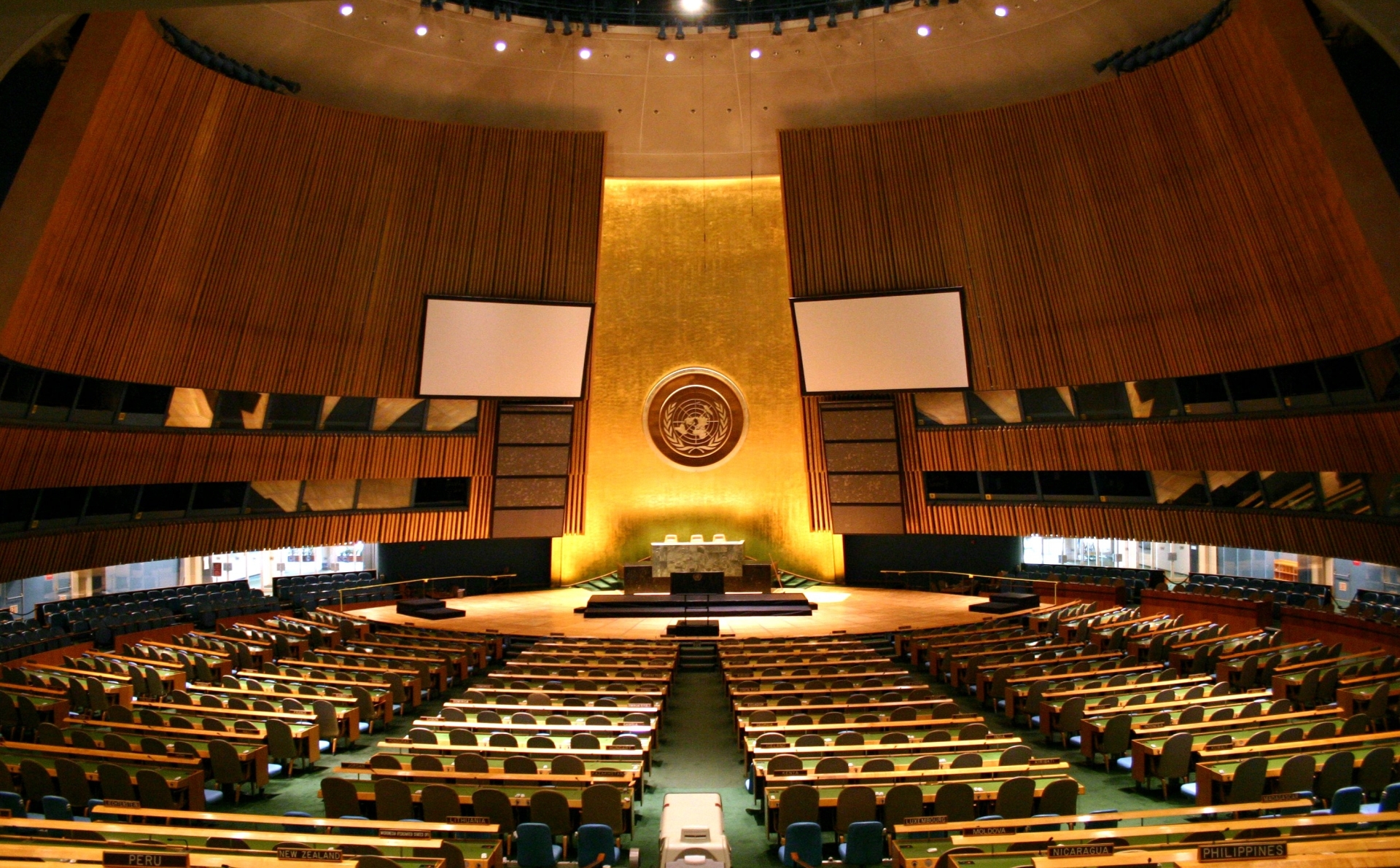
Major international divisions over the global "war on drugs" have been revealed in a leaked draft of a UN document setting out the organisation's long-term strategy for combating illicit narcotics.

The draft, written in September and seen by the Observer, shows there are serious and entrenched divisions over the longstanding US-led policy promoting prohibition as an exclusive solution to the problem.

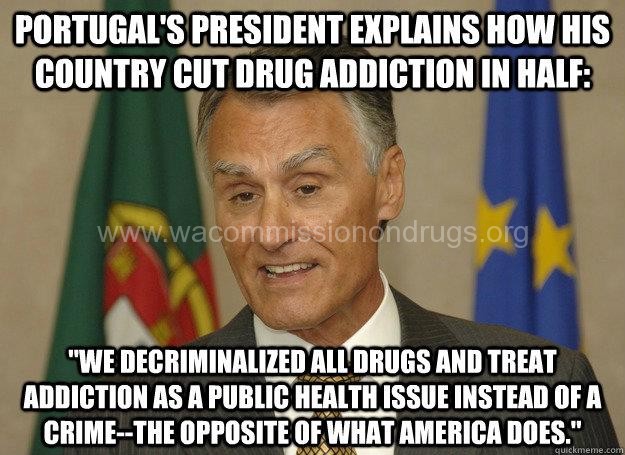
Instead, a number of countries are pushing for the "war on drugs" to be seen in a different light, which places greater emphasis on treating drug consumption as a public health problem, rather than a criminal justice matter.

It is rare for such a document to leak. Normally only the final agreed version is published once all differences between UN member states have been removed.

The divisions highlighted in the draft are potentially important. The document will form the basis of a joint "high-level" statement on drugs to be published in the spring, setting out the UN's thinking. This will then pave the way for a general assembly review, an event that occurs every 10 years, and, in 2016, will confirm the UN's position for the next decade. "The idea that there is a global consensus on drugs policy is fake," said Damon Barrett, deputy director of the charity Harm Reduction International. "The differences have been there for a long time, but you rarely get to see them. It all gets whittled down to the lowest common denominator, when all you see is agreement. But it's interesting to see now what they are arguing about."

The current review, taking place in Vienna at the UN Commission on Narcotic Drugs, comes after South American countries threw down the gauntlet to the US at this year's Organisation of American States summit meeting, when they argued that alternatives to prohibition must be considered.

Countries such as Colombia, Guatemala and Mexico have become increasingly critical of the UN's prohibition stance, claiming that maintaining the status quo plays into the hands of the cartels and paramilitary groups.

The draft reveals that Ecuador is pushing the UN to include a statement that recognises that the world needs to look beyond prohibition. Its submission claims there is "a need for more effective results in addressing the world drug problem" that will encourage "deliberations on different approaches that could be more efficient and effective".

Venezuela is pushing for the draft to include a new understanding of "the economic implications of the current dominating health and law enforcement approach in tackling the world drug problem", arguing that the current policy fails to recognise the "dynamics of the drug criminal market".

Experts said the level of disagreement showed fault lines were opening up in the globally agreed position on drug control. "Heavy reliance on law enforcement for controlling drugs is yielding a poor return on investment and leading to all kinds of terrible human rights abuses," said Kasia Malinowska-Sempruch, director of the Open Society Global Drug Policy Program. "The withdrawal from the most repressive parts of the drug war has begun – locally, nationally and globally."

Attacking the status quo is not confined to South American countries, however. Norway wants the draft to pose "questions related to decriminalisation and a critical assessment of the approach represented by the so-called war on drugs". Switzerland wants the draft to recognise the consequences of the current policy on public health issues. It wants it to include the observation that member states "note with concern that consumption prevalence has not been reduced significantly and that the consumption of new psychoactive substances has increased in most regions of the world". It also wants the draft to "express concern that according to UNAids, the UN programme on HIV/Aids, the global goal of reducing HIV infections among people who inject drugs by 50% by 2015 will not be reached, and that drug-related transmission is driving the expansion of the epidemic in many countries".

The EU is also pushing hard for the draft to emphasise the need for drug-dependence treatment and care options for offenders as an alternative to incarceration.

"Drug users should be entitled to access to treatment, essential medicines, care and related support services," the EU's submission suggests. "Programmes related to recovery and social reintegration should also be encouraged."

Ann Fordham, executive director of the International Drug Policy Consortium, said the draft revealed there was growing tension over the global drugs policy. "We are starting to see member states break with the consensus about how we should control drugs in the world. Punishment hasn't worked. All the money spent on crop eradication hasn't had the impact we would like to see."

Leaked paper reveals UN split over war on drugs

domenica 10 marzo 2013

Comment is free Let states legalise marijuana, Eric Holder: you know it makes sense

The US attorney general's review of federal policy on Colorado and Washington's new laws must respect voters' rational choice

colorado washington marijuana moment
Pro-cannabis protesters were celebrating in Colorado and Washington, after the 2012 election. Photograph: Alan Porritt/EPA


Every once in a while, an opportunity arises to do the right thing, the common sense thing.
Right now, US Attorney General Eric Holder has such an opportunity. He is "reviewing" the federal government's options for dealing with the nettlesome fact that two US states have now enacted laws legalizing and regulating the personal use of marijuana.
Faced with a similar problem with those several states that have legalized medical marijuana use, Holder and the US attorneys in those states have essentially declared war on cannabis dispensers. They have gone so far as to deploy the heavy hand of the federal government to threaten landlords with seizure of property used for dispensaries operating in accordance with state and local laws. And all this is occurring despite President Obama having suggested the government has better things to do with its limited resources than prosecute medical marijuana businesses and users.
Now, Attorney General Holder – and ultimately, his boss, the president – have to come to grips with the reality of two states whose voters have decided that modern-day Prohibition should end. Interestingly, President Obama carried both Washington and Colorado on the same ballot on which the marijuana legalization measures appeared. That shouldn't matter, but …
As the attorney general maneuvers through this problem, it is important to remember why it is, in fact, a problem. Unlike the failed and ultimately rejected prohibition of alcohol in the last century, allowing states to permit the legal use of marijuana does not involve violating or repealing a constitutional amendment. The federal government has a problem simply because marijuana is classified as a Schedule 1 substance under the Controlled Substances Act – the same law that lets the government decide that one painkiller requires a prescription and another doesn't.
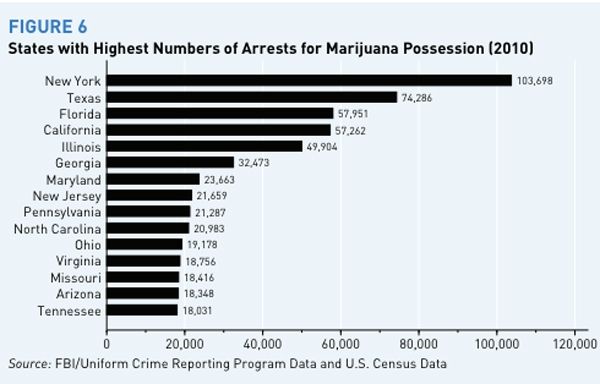
That simple classification, and the myriad state laws that have resulted from it, have turned millions of Americans into criminals and empowered murderous cartels – in the same way that Prohibition empowered Al Capone and an entire generation of organized crime. Voters in Washington and Colorado looked at those realities, and quite reasonably decided that the questionable benefits of treating marijuana use as a crime do not justify the considerable and unmistakable costs.
Those voters didn't stage a coup. They didn't defy the US Constitution. And they didn't incite a rebellion. Rather, they just made a perfectly rational policy decision.
Now, the Attorney General has an opportunity to do the same. Beyond the oft-stated arguments regarding whether marijuana use should be illegal, or legal and regulated like alcohol, the attorney general has the remarkably American option of invoking the notion of a limited central government and cutting the states of Washington and Colorado some slack to make their own decisions about what is, reasonably, a state issue.
I am among those who have called upon the Attorney General Holder and President Obama to remove cannabis from Schedule 1 of the Controlled Substances Act. They have the authority to do so, and it just makes sense. In the meantime, I would argue they have the discretion to choose not to challenge the duly enacted laws of two states whose voters have made a reasoned decision about marijuana policy – a decision that in no way threatens any other states or the fed's precious authority.
I urge Attorney General Holder to do the right thing. Colorado and Washington have taken courageous steps to end another failed Prohibition. Holder doesn't have to like that decision; he just needs to stay out of the way.

Let states legalise marijuana, Eric Holder: you know it makes sense

domenica 10 giugno 2012

Ecstasy and cannabis should be freely available for study, says David Nutt

Former government adviser says regulations make it too difficult to research psychoactive drugs with potential medical uses

The classification system that makes drugs such as cannabis and MDMA (ecstasy) illegal has prevented scientists from properly researching their possible therapeutic uses for conditions such as schizophrenia and depression, according to the government's former chief adviser on drugs.
Professor David Nutt said the UK's laws on misuse of drugs needed to be rewritten to more accurately reflect their relative harms and called for a regulated approach to making drugs such as MDMA and cannabis available for medical and research purposes.


"Regulations, which are arbitrary, actually make it virtually impossible to research these drugs," said Nutt. "The effect these laws have had on research is greater than the effects that [George] Bush stopping stem cell research has had because it's been going on since the 1960s."
Almost all the drugs that could help scientists to understand brain phenomena such as consciousness, perception, mood and psychosis are illegal, including ketamine, cannabis, MDMA and psychedelic drugs such as magic mushrooms. Nutt said there had been almost no work in this field because the government made it difficult for scientists to access the drugs.
A Home Office spokesperson told the Guardian: "The Home Office licensing regime enables bona fide institutions to carry out scientific research on controlled substances while ensuring necessary safeguards are in place."
Nutt, who is professor of neuropsychopharmacology at Imperial College London, made his comments at a briefing in London on Wednesday to mark the launch of his book, Drugs Without the Hot Air.
He is used to being a thorn in the side of the authorities when it comes to drugs regulation. In 2009, he was sacked by the then health secretary, Alan Johnson, from his post as chair of the government's Advisory Council on the Misuse of Drugs for publicly stating that alcohol and tobacco were more harmful than LSD, ecstasy and cannabis.
Researchers who want to experiment on illegal drugs, which come under the schedule 1 list of the Misuse of Drugs Regulations 2001, must apply for a licence from the Home Office. This takes a year to approve and costs thousands of pounds. Researchers are also required to have secure storage facilities and are subject to random inspections by police.
"[The rules] completely limit research at the real cutting edge of science," said Nutt. "I wonder how many other opportunities have been lost in the last 40 years with important drugs like MDMA, with its empathetic qualities, drugs like LSD in terms of treating addictions, cannabis for all the possible uses and insights which it might have for things like schizophrenia. All of those opportunities have been wasted because it is virtually impossible, when a drug's illegal, to work with it."
One of the best treatments for people with post-traumatic stress disorder is to get them to relive their trauma and then teach them how to delete or somehow control the memories. "But many people are so traumatised that, once the memories come back, they just dissociate and can't hold it long enough in order to deal with it," said Nutt.
"There's been one study in the US showing that MDMA, by damping down the negative emotions associated with the trauma, allow people to get into the therapy and get better. We're very keen to set up a similar trial in the UK. The paradox will be that, even if we can show it could work, no one could use it in the UK because no doctor would have the licence.
"LSD was trialled as a treatment for alcoholism in the 1960s and Nutt said the "evidence is that it's as good as anything we've got, maybe better. But no one's using it because it's too difficult."
Nutt said that the lack of scientific research was a direct result of the UK's arbitrary classification of drugs. "Drugs are drugs – they differ in terms of their brain effects but, fundamentally, they're all psychotropic agents and it is arbitrary whether we choose to keep alcohol legal or ban cannabis or make tobacco legal and ban ecstasy. Those are not scientific decisions, they're political or moral or religious decisions."
According to Nutt, research into the effects of drugs would lead to a more rational approach. He said the laws around the misuse of drugs needed to be rewritten, after a thorough, independent review of the harms involved.
"I'm not in favour of legalisation, a free open market of all drugs – that does lead to more use," he said. "We need regulated access across the board."
This would mean drugs such as cannabis, MDMA or PZP being made available for treatments through a pharmacy. Patients could be issued with a card and given access to an annual supply, he said. "Then at least you would know what you were getting."

Ecstasy and cannabis should be freely available for study, says David Nutt

Archivio blog