cookie

Translate

sabato 17 gennaio 2015

Holder Slashes Civil Asset Forfeiture

January 16, 2015 - By Bill Piper 
Eric Holder just issued a huge blow to the drug war. This is big.

Today the Justice Department barred local and state police from using federal law to seize a person's property without evidence of a crime.

That might sound odd, since you would assume that it was already illegal in America for police to take your property without due process - but you would be wrong. Originally pushed in the 1980s as a way to combat illegal drugs, civil asset forfeiture has become common throughout the country.

Today people all over America who are simply suspected of drug law violations can have their assets seized without any ability to defend themselves in a court of law. Even if they are never convicted, or even charged with a crime they can have their property, bank accounts, cars, and assets taken from them forever.

If this doesn’t enrage you, I don’t know what will.

Civil asset forfeiture is another ugly aspect of the drug war, and here at the Drug Policy Alliance we are making it a top issue in 2015.

If you stand with us tweet out your support now to end unjust civil asset forfeiture for good.

Today’s actions by Eric Holder are a good first step to ending the unjust enforcement of this program once and for all. But now Congress needs to pass legislation to make this change permanent.

Bill Piper is the director of national affairs for the Drug Policy Alliance.

Holder Slashes Civil Asset Forfeiture

giovedì 15 gennaio 2015

National news finally taking cannabis legalization seriously

By Leland Rucker

Colorado cannabis was all over mainstream news last weekend. Former Coloradan Harry Smith ran down some of the stories of the first year of legalization on his CNBC Saturday night special, Marijuana Country: The Cannabis Boom. Meanwhile, over at 60 Minutes, Bill Whitaker weighed in with Gov. John Hickenlooper and Colorado pot czar Andrew Freedman, among others. And rotating across the top of the online Politico site over the weekend was a story about Amendment 64’s consequences for the state and those along our borders.

Last year at this time, most of what passed for coverage of Colorado’s legalization efforts were guestimates of how much money the state might get in tax revenue, camera shots of the long lines at stores, rumors of product shortages and endless pondering of the infinite problems facing the state. The best part of watching the CNBC and CBS specials this year was that they didn’t start with a general bias against cannabis, a refreshing about-face. Perhaps even mainstream media are figuring out that, after a year, the experiment seems to be working pretty well.

On 60 Minutes, Hickenlooper changed his tune from just two months ago. It’s no secret that the governor opposed legalization, especially when Coloradans voted for it early on his watch as governor.

“I think even after the election, if I’d had a magic wand, and I could wave the wand, I probably would’ve reversed it and had the initiative fail,” he admitted to Whitaker. “But now I look at it, and I think we’ve made a lot of progress. I think we might actually create a system that can work.”

That’s quite a shift from a debate in October (during his campaign), when the governor deemed the experiment “reckless,” then dialed that down a day later to “risky.” Given that he’s not running for anything anymore, his latest comments are encouraging. He admitted his frustration over the lack of a cohesive banking system for many cannabis businesses. “If you want to guarantee a fledgling industry becomes corrupt … make it all cash, right? That’s as old as Al Capone, right? Cash creates corruption.”

Both stories included segments, not surprisingly, on edibles, which are very popular and a rallying point for those who oppose legalization. Both outlined how the state, after a couple of highprofile cases, has begun to take steps to change the packaging and help educate people about the differences in ingestion methods. Smith pointed out that though a few more children and adults have shown up in emergency rooms, edible overingestion is hardly epidemic.

Smith, a Denver broadcaster before moving up to CBS News in 1986, demonstrated a healthy skepticism about he subject. At one point he picked up a cannabis infused candy bar and asked Dixie Elixers’ Chuck Smith how a child could tell the difference if he or she found it on a living room table. Not missing a beat, Chuck Smith said that, like alcohol or anything else you don’t want your kids to have, it shouldn’t be on your living room table in the first place.

Smith was at his best reporting on the influx of parents coming to the state because their children have been diagnosed with Dravet syndrome and they’re seeking the high-in-demand, high-in-CBD Charlotte’s Web strain, which a Denver doctor admits needs more study but is showing promise for 20-30 percent of those who use it.

The Politico piece, written by Jonathan Topaz, looks at the lawsuit recently filed in the U.S. Supreme Court by Nebraska and Oklahoma against Colorado. Using the argument that Amendment 64 is preempted by the Controlled Substances Act, it seeks to force the U.S. to enforce federal cannabis laws in Colorado because legalization here harms neighboring states and may increase crime.

The story missed the latest wrinkle in that particular legal action. Last week a group of state Republican lawmakers petitioned Oklahoma Attorney General Scott Pruitt to drop the federal lawsuit. This is particularly interesting since none of the signees are pro-cannabis. But each one well understands the Pandora’s box opened if the Supreme Court were to rule in favor of the federal government over state’s rights. They have even threatened to side with Colorado if the case is ever actually heard.

“Oklahoma has been a pioneer and a leader in standing up to federal usurpations of power on everything from gun control to Obamacare and beyond,” they write. “We believe this lawsuit against our sister state has the potential, if it were to be successful at the Supreme Court, to undermine all of those efforts to protect our own state’s right to govern itself under the Tenth Amendment to the U.S. Constitution.”

No word on whether or when the Supremes might take up the case.

National news finally taking cannabis legalization seriously

USA - Cannabis legalizzata. Washington DC invia testo al Congresso

Washington DC sfida il Congresso degli Stati Uniti sulla marijuana. Il democratico Phil Mendelson, presidente del Consiglio legislativo della città, ha inviato al Congresso a maggioranza repubblicana il testo della misura per legalizzare il consumo di marijuana nella capitale federale. Ora il Congresso ha trenta giorni di tempo per bloccare il provvedimento, come è successo solo tre volte negli ultimi 40 anni per leggi approvate dal consiglio cittadino Se il Congresso o il presidente Barack Obama non interverranno per bloccare la misura, entro marzo diventerà legale a Washington possedere fino a due once di marijuana (56 grammi) e coltivare alcune piantine in casa. Tuttavia è difficile che ciò avvenga: già a fine dicembre il Congresso aveva inserito nella legge di bilancio una misura per impedire ogni spesa a Washington DC per rendere operativi i risultati del referendum del 4 novembre, quando sette elettori della capitale su 10 hanno votato a favore della legalizzazione della marijuana. Per molti deputati e senatori sarebbe imbarazzante la liberalizzazione della marijuana nella città dove ha sede la Dea, l'agenzia americana antidroga. Mendelson, che agisce in accordo con il sindaco Muriel Bowser, è stato molto attento a far sì che la misura approvata sulla marijuana non comprenda alcun costo. Il suo è un passo volutamente provocatorio per spingere il Congresso ad esporsi apertamente sulla questione.

USA - Cannabis legalizzata. Washington DC invia testo al Congresso

martedì 13 gennaio 2015

Sentenza della Cassazione: il consumo di cannabis in gruppo (forse) non è più reato


Tra le conseguenze della bocciatura della legge Fini-Giovanardi è ora riconosciuta anche la non punibilità dell’acquisto di cannabis al fine del consumo di gruppo, ma a precise condizioni. La Cassazione ha infatti riconosciuto anche in questo caso il ritorno in vigore della precedente legge (Iervolino-Vassalli del 1990) mitigata dal referendum radicale del 1993 il quale aveva già depenalizzato il consumo personale e di gruppo. Mentre la Fini-Giovanardi sancendo la non punibilità solo del consumo “esclusivamente personale” aveva trasformato in spacciatori dinnanzi alla legge anche chiunque fosse stato trovato a comprare fumo per sé ed un paio di amici.

Ora è la sentenza 532/14, pubblicata il 9 gennaio dalla terza sezione penale della Cassazione, ad esprimersi sulla vicenda, anche se come vedrete la situazione rimane poco chiara, con troppi cavilli che si prestano ad interpretazioni di stampo differente.

CONSUMO DI GRUPPO LEGALE, MA CON MOLTI SE. La sentenza della Cassazione legalizza il consumo di gruppo, ma appunto con molte condizioni. La Cassazione ha infatti confermato la condanna per spaccio a due giovani. Questo in quanto – come precisato da Dario Ferrara sul portale d’informazione giuridica Cassazione.net – “la giurisprudenza di legittimità pone paletti stretti all’irrilevanza penale dell’uso di droga in gruppo”. La condotta infatti può essere ritenuta legale nel caso di acquisto congiunto, o nel caso in cui un appartenente al gruppo di consumatori proceda all’acquisto collettivo per tutti, ma soltanto se: “L’acquirente è uno degli assuntori della sostanza; l’acquisto dello stupefacente avviene fin dall’inizio per conto degli altri componenti del gruppo; è certa fin dall’inizio l’identità dei mandanti e la loro manifesta volontà di procurarsi la sostanza per mezzo di uno dei compartecipi, contribuendo con i loro soldi all’acquisto”.

I CASI NEI QUALI NON VIENE RICONOSCIUTO IL CONSUMO DI GRUPPO. Non può configurarsi il consumo di gruppo quando manca “la prova certa che sia stato raggiunto un accordo sul luogo e sul tempo nei quali consumare la droga acquistata e non ci sono stati passaggi intermedi per lo stupefacente”. Mentre nel caso della sentenza di colpevolezza in questione, invece, i due imputati si erano appunto già divisi il fumo. Inoltre, affinché la condotta sia decriminalizzata è necessario che emerga una volontà condivisa di procurarsi la sostanza da parte dei membri del gruppo, mentre, in questo caso “i testi riferiscono versioni discordanti sulle quantità di fumo che si aspettavano di ricevere: contro gli imputati pesano il valore della sostanza, nascosta degli slip, e l’improvvisa inversione di marcia della loro auto alla vista della polizia”.
Sentenza della Cassazione: il consumo di cannabis in gruppo (forse) non è più reato

venerdì 2 gennaio 2015

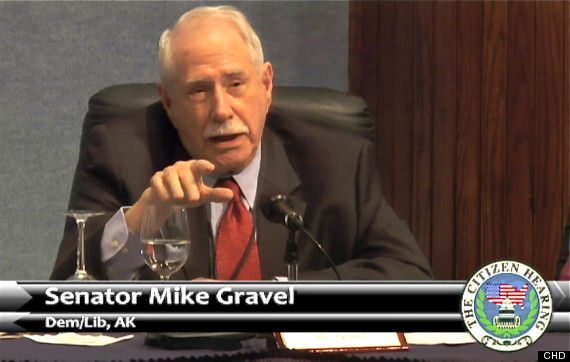
Former US senator to lead new cannabis company, 'Kush'

Former US Senator Mike Gravel has agreed to become the chief executive of a Nevada company that develops and markets cannabis products to states that have legalized both medical and recreational marijuana.

Gravel, who represented Alaska from 1969 to 1981, will head KUSH, a subsidiary of Cannabis Sativa Inc, where Gravel previously sat on the board of directors for nine months, according to the company.

"We need to decriminalize drugs and treat them as a health problem," Gravel, 84, told Reuters. "You should go see a doctor on the subject, not a sheriff, a police officer or a warden."

Former New Mexico Governor and Libertarian Party presidential nominee Gary Johnson is the chief executive of Cannabis Sativa.

Gravel’s appointment comes after both Alaska and Oregon voters chose in November to join Colorado and Washington State as the only US states to legalize regulation and taxation of recreational marijuana sales to adults age 21 and over. The District of Columbia passed a more stringent weed legalization measure in November, yet the law faces obstacles in Congress, as RT has reported.

Twenty-three states and the District of Columbia, the nation’s capital, have laws permitting medical marijuana usage at the recommendation of a doctor.

As more and more states are now considering efforts to legalize marijuana, the federal government, as of now, still considers pot to be an illegal, Schedule 1 drug on par with the likes of heroin.

In a recent poll conducted by the Third Way think-tank, 67 percent of voters said they want Congress to pass a law that carves out a “safe haven” for states that legalize recreational pot use. Under such a law, “legal” states would be protected from federal legislation.

Gravel, who now lives in California, said KUSH will look to form partnerships with other companies to manufacture and sell its cannabis products, including a throat lozenge known as “Kubby,” in states that have legalized marijuana.

Gravel was a Democratic senator who aggressively opposed the Vietnam War. In 1971, he controversially entered contents of the Pentagon Papers into the public record during a time when there was still an injunction against revealing the leaked documents in the press. In 2008, he ran for the Democratic Party’s presidential nomination

sabato 27 dicembre 2014

Who Shares In Marijuana Taxes? The Surprising Answer

Taxes on marijuana are big, and it’s easy to see why. A discussion about legalizing marijuana often segues into one about tax revenues. Marijuana for medical use is legal in 23 states and the District of Columbia. Recreational marijuana is legal in DC and in four states, Colorado, Washington, Oregon and Alaska. More states will be coming.

In the meantime, cannabis—even for medical use—remains illegal under federal law. That leads to numerous legal woes for operations that are legal under state law. One sweet spot among legislators is tax revenue. It is a boon for the states. It could be a boon for the feds too.

The proposed Marijuana Tax Equity Act (H.R. 501), if passed, would end the federal prohibition on marijuana and allow it to be taxed. Growers, sellers and users would not to fear violating federal law. But dealing with taxes would be another story.The bill would impose an excise tax of 50% on cannabis sales and an annual occupational tax on workers in the field of legal marijuana.

Even if passed, one wonders if such high taxes could be collected. In the meantime, Colorado has trumpeted its tax revenues, though perhaps prematurely. It turned out that the $33.5 million Colorado projected to collect in the first six months of 2014 was too optimistic. When the smoke cleared, Colorado was missing $21.5 million in pot taxes! Yet the math isn’t difficult.
Marijuana tax revenues hit $3.5 million in January
There’s a 2.9% sales tax and a 10% marijuana sales tax. Plus, there is a 15% excise tax on the average market rate of retail marijuana. If you add them up, it’s 27.9%. But much of the volume goes to black market buys where sales taxes aren’t paid. But that could change.

In fact, Colorado is making some marijuana businesses happy with its rebate program. Sales tax applies to marijuana sales and vendors are required to collect and remit the tax to the state. However, Colorado rewards all businesses with a rebate for the prompt payment of taxes, letting businesses keep a percentage each month. Calling it a ‘vendor fee,’ Colorado allows businesses to keep 3.3 percent of the 2.9 percent state sales tax.

According to estimates by the Denver Post, Colorado’s medical and recreational marijuana stores have collected—and kept—over $447,000 in sales taxes in the 10 months ended October 31, 2013. That could mean more than 400 marijuana stores in the state will end up clearing approximately $575,000 for all their trouble. It is what has allowed pot shops to keep more than $500K in sales tax.

That’s not bad, and at least it is something for their trouble. The idea that retailers should get a little sweetener for collecting sales tax is nothing new. But in the marijuana context, it can be especially attractive precisely because it would otherwise be hard to collect.
Already, with typically higher taxes for recreational than medical use, there is a clear incentive to resort to the illegal market. The Marijuana Policy Group suggested that only 60% of purchases in Colorado may be made through legal channels. One reason is price, another is taxes.

And the taxes are still being contested. The Colorado tax on marijuana has been upheld despite claims that paying it amounts to self-incrimination violating the Fifth Amendment. The plaintiffs wanted the recreational pot taxes outlawed, reasoning that they require businesses and consumers to implicate themselves in federal crimes. The plaintiffs lost on getting an injunction, but challenges to the taxes are continuing. On the other hand, under a state refund program, Colorado residents may get a “marijuana tax” refund.

The 2.9% medical marijuana tax compared with 27% on the recreational variety is a big spread. Some patients could be reselling their 2.9% medical stock to the public. But the sales tax rebate may be one of the few places marijuana businesses feel fairly treated. After all, under federal law, marijuana is still illegal, classified as a controlled substance, even for medical use.

Thus, even legal medical marijuana businesses have federal income tax problems. Section 280E of the tax code denies even legal dispensaries tax deductions, and the IRS says it must enforce the tax code. Dispensaries can deduct expenses from other businesses distinct from dispensing marijuana. If a dispensary sells marijuana and is in the separate business of care-giving, the care-giving expenses are deductible. Some marijuana sellers operate as nonprofit social welfare organizations, as cooperatives or collectives.
This isn’t the only context raising the conflicting federal and state laws over marijuana. Yet as medical marijuana has gained widespread acceptance and even recreational marijuana is taking hold, the federal vs. state conflict grows deeper.

Forbes: Who Shares In Marijuana Taxes? The Surprising Answer

mercoledì 17 dicembre 2014

Congress Quietly Puff, Puff, Passes on the Feds’ Medical Marijuana Ban

The feds can no longer rain all over states where medical marijuana is legal, ending an era of raids on dispensaries and the patients who depend on their medicine.

Basically, a measure to end the federal government’s ban on medical MJ was included in a 1,603-page spending bill passed by Congress the weekend of December 13th. According to the new rules, which Obama will sign into law this week, the government can no longer use their funding to mess with marijuana pharmacies.

Unfortunately for the states where even recreational weed is legal, the new law won’t have an effect on nonmedical marijuana shops. Sorry, Colorado/Washington/Oregon/Alaska/Washington, D.C. Your time will come.

While Obama’s been proceeding this way for a while now, the new strategy wasn’t yet written into law. By making it official, the government’s making a permanent move away from old rules that many saw as oppressive.

Medical marijuana is currently legal in 32 states, although the DEA continues to classify it among the most dangerous narcotics, saying it has no medical use. However, cannabis has gained quite a reputation for treating kids with seizure disorders, helping cancer patients retain their appetites, and even decreasing suicide rates among young male smokers.

According to the ACLU, 52 percent of all drug arrests in 2010 had to do with marijuana — and black people are almost four times as likely as Caucasians to be arrested for pot. In other words, this new bill has the potential to save the United States a whole lot of money while ending a few seriously harmful policing practices along the way.

Could this be the beginning of the end for marijuana prohibition?


ryot.org: Congress Quietly Puff, Puff, Passes on the Feds’ Medical Marijuana Ban

LaPiantiamo! Forza ASCIA!

Obama osserva l' Italia
Il messaggio di Andrea Triscuoglio è vero. I primi detrattori nella battaglia Antiproibizionista, sono i fascisti antiproibizionisti. Sono come degli infiltrati, che sostengono la lotta contro la proibizione sulla cannabis, ma hanno "riserve morali" e "pregiudizi" che arrivano a minare le basi di una lotta che dovrebbe rendere uniti e garantire solidarità a chi si batte con te.

Evitare le liti sarebbe la più grande vittoria. Ma ecco che spuntano gli integralisti del
antiproibizionismo. E rifiutano una mano piuttosto che trovare punti di conversione. La macchina del fango esiste anche qui. Emerge così l' immagine di una lotta tra poveri e senza speranza che il movimento antiproibizionista possa incidere realmente in un cambio nella politica.

Per fortuna esistono realtà come LaPiantiamo e ASCIA, le uniche due organizzazioni che sono riuscite a mettere un piede nella porta del legislatore. ASCIA, LaPiantiamo! E' un bellissimo gioco di parole che unisce due associazioni in un messaggio forte e chiaro. "seppelliamo l' ascia di guerra del proibizionismo, insomma: Piantiamola!"


Trisciuoglio dopo la visita in Parlamento: “Abbiamo strappato la promessa di un tavolo di discussione nazionale


“Avevamo promesso di far sentire in nostro fiato sul collo alle istituzioni, ed è quello che abbiamo fatto”. Andrea Trisciuoglio (nella foto davanti al Parlamento insieme al gruppo che l’ha accompagnato) riassume così la visita fatta come portavoce di LapianTiamo in Parlamento ai senatori Ciampolillo e Airola del Movimento 5 Stelle.

“Ho anche approfittato della presenza dell’imitatore di Grillo (inviato di Striscia la Notizia), per far in modo che la nostra visita abbia maggior visibilità e il messaggio possa arrivare anche al ministro della Salute Lorenzin, perché noi non ci fermiamo“.

Durante l’incontro al quale è stato accompagnato tra gli altri da Giancarlo Cecconi di ASCIA, Trisciuoglio ha raccontato ai senatori il percorso tracciato dall’associazione fondata da e per i malati, partito dalla fondazione del primo Cannabis Social Club, per arrivare all’approvazione all’unanimità della legge regionale pugliese sulla cannabis terapeutica in cui sarebbe stato autorizzato anche il progetto pilota di coltivazione avanzato dall’associazione.

“Ci hanno detto che avvieranno un tavolo di discussione per fare in modo che leggi come quella pugliese possano essere applicate a livello nazionale“, ha spiegato Trisciuoglio a Cannabisterapeutica.info raccontando come sia rimasto deluso del fatto che le opposizioni al progetto siano arrivate proprio dall’interno del movimento antiproibizionista italiano. Quando il progetto era stato presentato da LapianTiamo, spiegando che sarebbe stata costituita una srl per la produzione di cannabis terapeutica che secondo l’idea iniziale sarebbe stata possibile vendere ad 1,55 euro al grammo, qualche voce si era alzata additando l’iniziativa come la creazione di un monopolio sulla cannabis terapeutica.

Nel frattempo a livello nazionale è stata autorizzata la produzione allo stabilimento militare di Firenze, ma le polemiche non si sono placate. “Ma quale monopolio e monopolio – risponde Andrea interrogato su questo punto – come si fa ad accusarci di voler creare un monopolio? Noi che ci battiamo per i diritti dei malati come noi? Io, a maggior ragione da quando sono malato, sognerei un monopolio per la cannabis terapeutica che permettesse di venderla a quel prezzo. Il problema è che proponendola a quel prezzo si vanno a toccare molti nervi scoperti, in Italia così come dal punto di vista internazionale. Quello che mi ha molto deluso è che i maggior detrattori del nostro progetto siano stati alcuni antiproibizionisti italiani. Siamo stati vittima di un “fuoco amico”, ma noi andiamo avanti”.

Redazione Cannabisterapeutica.info

Archivio blog