Visualizzazione post con etichetta UK. Mostra tutti i post
Visualizzazione post con etichetta UK. Mostra tutti i post
giovedì 27 luglio 2017


sabato 17 ottobre 2015
Legalizzazione cannabis. Dipartimento Uk del Tesoro: risparmi per milioni di sterline e nuovi introiti fiscali

Nello studio viene valutato che la regolamentazione della cannabis, consumata da piu' di due milioni di persone l'anno scorso nel Regno Unito, puo' generare "notevoli introiti fiscali” e “portare grandi risparmi ai servizi pubblici”.
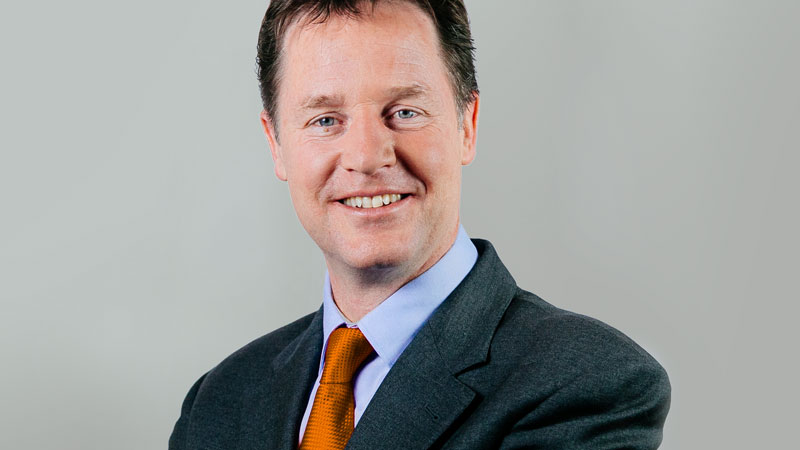
Lo studio del Tesoro, analizzato dal quotidiano The Independent, e' stato commissionato dall'ex-vice primo ministro Nick Clegg in occasione delle elezioni generali per aiutare il partito Liberaldemocratico a formulare una nuova politica sulle droghe se il partito stesso riuscira' ad affermarsi. In seguito alla vittoria di David Cameron alle elezioni generali, il Governo si e' opposto alle riforme sulle leggi di 40 anni fa in materia di droga, rifiutando un nuovo approccio nei confronti del consumo di cannabis.
 Ma questa ricerca ufficiale fa appello al ministero del Tesoro, ai tribunali e al sistema carcerario facendo riferimento all'esempio di alcuni Paesi e alcuni Stati americani che hanno legalizzato e regolamentato le droghe.
Normal Lamb, portavoce per la sanita' del partito Liberaldemocratico, dice che lo studio -per la prima volta su iniziativa del Governo- si aggiunge alla gia' crescente evidenza che bisogna avere un nuovo approccio nei confronti della cannabis. E aggiunge: “Questo e' un importante contributo al dibattito per la riforma delle droghe e mostra come il Regno Unito puo' risparmiare nelle spese pubbliche e produrre introiti fiscali dal mercato regolamentato della cannabis, probabilmente per centinaia di milioni di sterline, alcuni dei quali potrebbero essere spesi per informare sui pericoli nell'uso delle droghe".
“Si stanno affermando i mercati della cannabis in diverse parti del mondo, e dovremmo cercare di imparare da queste esperienze. E' nostro compito spiegare ai sostenitori della situazione attuale perche' occorre non continuare a fronte di queste rilevanti evidenze”.
La ricerca fa riferimento ad uno studio dell'Institute for Social and Economic Reasearch (ISER) dell'Universita' di Essex, che ha calcolato un introito annuale tra 500 e 800 milioni di sterline per il Tesoro se la cannabis fosse trattata allo stesso modo del tabacco.
Il Dipartimento di George Osborne (ndr. attuale Cancelliere dello Scacchiere) valuta che regolamentando e tassando la cannabis si potrebbe generare “un notevole introito fiscale, anche se al di sotto delle previsioni di 0,5-0,8 miliardi di sterline fatto dall'ISER”.
Ma le forme potenti di cannabis, come la cosiddetta skunk, dovrebbero restare illegali e sotto i 18 anni dovrebbe essere vietato acquistare la droga come fossero delle sigarette.
Il Tesoro ha detto che le aliquote delle tasse dipenderebbero da quanti soldi il Governo vuole raccogliere rispetto a voler anche diminuire il consumo di cannabis. Anche l'Iva dovrebbe beneficiarne in caso di legalizzazione.
 La ricerca conclude sostenendo che la legalizzazione avrebbe un basso impatto sui costi del Sistema Sanitario Nazionale. Ci sarebbero una serie di risparmi di 16 milioni su costi che oggi sono di 128 milioni di sterline.
Nel contempo si avrebbero risparmi tra 55 e 147 milioni di sterline all'anno per il sistema della giustizia criminale. Se le persone non fossero incriminate per il possesso di cannabis, si risparmierebbero 18 milioni di sterline per la polizia, 24 milioni per i tribunali, 9 milioni per le sentenze, 3 milioni per i servizi di liberta' vigilata e 2 milioni per le prigioni. Inoltre calerebbero i costi connessi ai piu' gravi reati per droga.
La ricerca del Tesoro conclude facendo notare che il consumo di cannabis non e' strettamente legato alla produttivita' degli adulti, anche se diversi studi a lungo termini hanno rilevato effetti deleteri sui minori di 16 anni. “C'e' un alto livello di incertezza” in materia, ma per la ricerca l'impatto negativo della legalizzazione sulla produttivita' economica “sarebbe molto vicino ad un basso range, tra 0 e 3 miliardi di sterline”.
In un dibattito ai Comuni sulle legislazione in materia di cannabis, l'ex.ministro Conservatore del Governo Peter Lilley, ha detto che la cannabis potrebbe essere anche legalizzata ed essere utilizzata a fini terapeutici: “Anche la Regina Vittoria avrebbe usato la cannabis per alleviare i dolori mestruali, e se lo ha fatto la Regina, sicuramente si puo' pensare ad una maggiore disponibilita'”. Ed ha aggiunto: “Il divieto della cannabis spinge i consumatori di droghe leggere tra le braccia degli spacciatori di droghe pesanti. Solo istituendo dei luoghi legali per la cannabis possiamo evitare i contatti tra i consumatori di cannabis e gli spacciatori di cocaina, crack ed eroina”.
(articolo di Nigel Morris pubblicato sul quotidiano The Independent del 13/10/2015)
ADUC: Legalizzazione cannabis. Dipartimento Uk del Tesoro: risparmi per milioni di sterline e nuovi introiti fiscali
domenica 10 giugno 2012
Ecstasy and cannabis should be freely available for study, says David Nutt
Former government adviser says regulations make it too difficult to research psychoactive drugs with potential medical uses
The classification system that makes drugs
such as cannabis and MDMA (ecstasy) illegal has prevented scientists
from properly researching their possible therapeutic uses for conditions
such as schizophrenia and depression, according to the government's
former chief adviser on drugs.
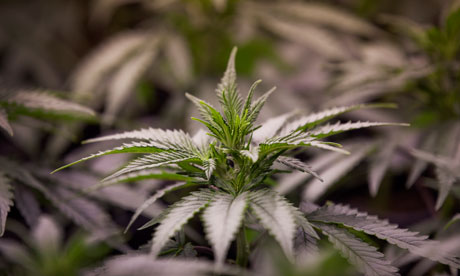
Professor David Nutt said the UK's laws on misuse of drugs needed to be rewritten to more accurately reflect their relative harms and called for a regulated approach to making drugs such as MDMA and cannabis available for medical and research purposes.
"Regulations, which are arbitrary,
actually make it virtually impossible to research these drugs," said
Nutt. "The effect these laws have had on research is greater than the
effects that [George] Bush stopping stem cell research has had because
it's been going on since the 1960s."
Almost all the drugs that could help scientists to understand brain phenomena such as consciousness, perception, mood and psychosis are illegal, including ketamine, cannabis, MDMA and psychedelic drugs such as magic mushrooms. Nutt said there had been almost no work in this field because the government made it difficult for scientists to access the drugs.
A Home Office spokesperson told the Guardian: "The Home Office licensing regime enables bona fide institutions to carry out scientific research on controlled substances while ensuring necessary safeguards are in place."
Nutt, who is professor of neuropsychopharmacology at Imperial College London, made his comments at a briefing in London on Wednesday to mark the launch of his book, Drugs Without the Hot Air.
He is used to being a thorn in the side of the authorities when it comes to drugs regulation. In 2009, he was sacked by the then health secretary, Alan Johnson, from his post as chair of the government's Advisory Council on the Misuse of Drugs for publicly stating that alcohol and tobacco were more harmful than LSD, ecstasy and cannabis.
Researchers who want to experiment on illegal drugs, which come under the schedule 1 list of the Misuse of Drugs Regulations 2001, must apply for a licence from the Home Office. This takes a year to approve and costs thousands of pounds. Researchers are also required to have secure storage facilities and are subject to random inspections by police.
"[The rules] completely limit research at the real cutting edge of science," said Nutt. "I wonder how many other opportunities have been lost in the last 40 years with important drugs like MDMA, with its empathetic qualities, drugs like LSD in terms of treating addictions, cannabis for all the possible uses and insights which it might have for things like schizophrenia. All of those opportunities have been wasted because it is virtually impossible, when a drug's illegal, to work with it."
One of the best treatments for people with post-traumatic stress disorder is to get them to relive their trauma and then teach them how to delete or somehow control the memories. "But many people are so traumatised that, once the memories come back, they just dissociate and can't hold it long enough in order to deal with it," said Nutt.
"There's been one study in the US showing that MDMA, by damping down the negative emotions associated with the trauma, allow people to get into the therapy and get better. We're very keen to set up a similar trial in the UK. The paradox will be that, even if we can show it could work, no one could use it in the UK because no doctor would have the licence.
"LSD was trialled as a treatment for alcoholism in the 1960s and Nutt said the "evidence is that it's as good as anything we've got, maybe better. But no one's using it because it's too difficult."
Nutt said that the lack of scientific research was a direct result of the UK's arbitrary classification of drugs. "Drugs are drugs – they differ in terms of their brain effects but, fundamentally, they're all psychotropic agents and it is arbitrary whether we choose to keep alcohol legal or ban cannabis or make tobacco legal and ban ecstasy. Those are not scientific decisions, they're political or moral or religious decisions."
According to Nutt, research into the effects of drugs would lead to a more rational approach. He said the laws around the misuse of drugs needed to be rewritten, after a thorough, independent review of the harms involved.
"I'm not in favour of legalisation, a free open market of all drugs – that does lead to more use," he said. "We need regulated access across the board."
This would mean drugs such as cannabis, MDMA or PZP being made available for treatments through a pharmacy. Patients could be issued with a card and given access to an annual supply, he said. "Then at least you would know what you were getting."
Ecstasy and cannabis should be freely available for study, says David Nutt
Professor David Nutt said the UK's laws on misuse of drugs needed to be rewritten to more accurately reflect their relative harms and called for a regulated approach to making drugs such as MDMA and cannabis available for medical and research purposes.
 | |||
Almost all the drugs that could help scientists to understand brain phenomena such as consciousness, perception, mood and psychosis are illegal, including ketamine, cannabis, MDMA and psychedelic drugs such as magic mushrooms. Nutt said there had been almost no work in this field because the government made it difficult for scientists to access the drugs.
A Home Office spokesperson told the Guardian: "The Home Office licensing regime enables bona fide institutions to carry out scientific research on controlled substances while ensuring necessary safeguards are in place."
Nutt, who is professor of neuropsychopharmacology at Imperial College London, made his comments at a briefing in London on Wednesday to mark the launch of his book, Drugs Without the Hot Air.
He is used to being a thorn in the side of the authorities when it comes to drugs regulation. In 2009, he was sacked by the then health secretary, Alan Johnson, from his post as chair of the government's Advisory Council on the Misuse of Drugs for publicly stating that alcohol and tobacco were more harmful than LSD, ecstasy and cannabis.
Researchers who want to experiment on illegal drugs, which come under the schedule 1 list of the Misuse of Drugs Regulations 2001, must apply for a licence from the Home Office. This takes a year to approve and costs thousands of pounds. Researchers are also required to have secure storage facilities and are subject to random inspections by police.
"[The rules] completely limit research at the real cutting edge of science," said Nutt. "I wonder how many other opportunities have been lost in the last 40 years with important drugs like MDMA, with its empathetic qualities, drugs like LSD in terms of treating addictions, cannabis for all the possible uses and insights which it might have for things like schizophrenia. All of those opportunities have been wasted because it is virtually impossible, when a drug's illegal, to work with it."
One of the best treatments for people with post-traumatic stress disorder is to get them to relive their trauma and then teach them how to delete or somehow control the memories. "But many people are so traumatised that, once the memories come back, they just dissociate and can't hold it long enough in order to deal with it," said Nutt.
"There's been one study in the US showing that MDMA, by damping down the negative emotions associated with the trauma, allow people to get into the therapy and get better. We're very keen to set up a similar trial in the UK. The paradox will be that, even if we can show it could work, no one could use it in the UK because no doctor would have the licence.
"LSD was trialled as a treatment for alcoholism in the 1960s and Nutt said the "evidence is that it's as good as anything we've got, maybe better. But no one's using it because it's too difficult."
Nutt said that the lack of scientific research was a direct result of the UK's arbitrary classification of drugs. "Drugs are drugs – they differ in terms of their brain effects but, fundamentally, they're all psychotropic agents and it is arbitrary whether we choose to keep alcohol legal or ban cannabis or make tobacco legal and ban ecstasy. Those are not scientific decisions, they're political or moral or religious decisions."
According to Nutt, research into the effects of drugs would lead to a more rational approach. He said the laws around the misuse of drugs needed to be rewritten, after a thorough, independent review of the harms involved.
"I'm not in favour of legalisation, a free open market of all drugs – that does lead to more use," he said. "We need regulated access across the board."
This would mean drugs such as cannabis, MDMA or PZP being made available for treatments through a pharmacy. Patients could be issued with a card and given access to an annual supply, he said. "Then at least you would know what you were getting."
Ecstasy and cannabis should be freely available for study, says David Nutt
Iscriviti a:
Post (Atom)